
Porto works best when you mix its headline sights with time to walk, stop and understand the different elevations of the city.
This list starts with the historic centre and Gaia, then expands towards neighbourhoods, the Atlantic coast and the Douro Valley. If you have limited time, the first five create a strong introduction.
Things to do in Porto at a glance
For a first visit, divide the city into four practical groups rather than choosing attractions from one long list.
- Historic Porto: São Bento, Sé, Ribeira, Clérigos and Palácio da Bolsa.
- Gaia: Dom Luís I Bridge, Port wine cellars and the viewpoints above the south bank.
- Local neighbourhoods: Cedofeita, Bonfim, Bolhão and the streets beyond the main riverfront route.
- Wider Porto: Foz, Matosinhos and a separate full day in the Douro Valley.
Choose one or two ticketed attractions per day and leave the streets, viewpoints and markets flexible. Porto becomes tiring when every hour requires climbing to a different elevation or crossing the city for a fixed entry time.
Explore Ribeira
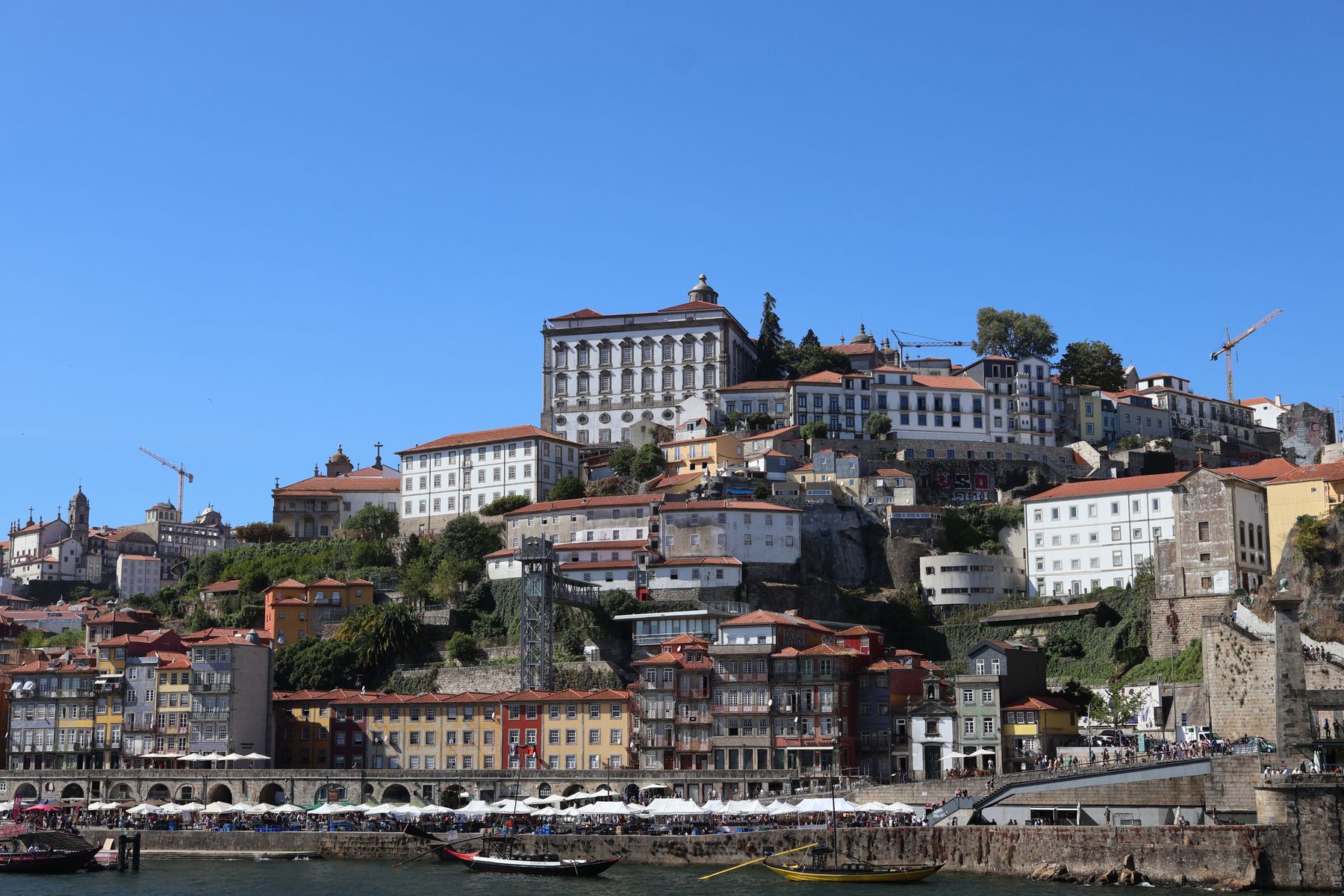
Ribeira is Porto's historic riverfront and the part of the city most visitors recognise first. Walk beyond Cais da Ribeira into the lanes around Praça da Ribeira and Rua dos Mercadores rather than treating the quay as a single photo stop.
Arrive early for quieter streets or return in the evening for atmosphere beside the Douro. Further reading: the Ribeira guide.
Cross Dom Luís I Bridge
Use the lower deck to walk directly between Ribeira and the Gaia waterfront. The upper deck connects the higher city levels and gives the widest views over the Douro.
The two levels are not interchangeable when planning a walking route: moving between them involves a substantial climb. Further reading: Porto neighbourhoods.
Visit the port wine cellars in Gaia
Most historic port wine lodges are in Vila Nova de Gaia, directly across the river from Porto. A focused cellar visit usually includes the ageing rooms, an explanation of production and a tasting.
Choose by tasting style, duration and group size. Booking ahead is useful when you want a specific producer or language. Further reading: the best port wine cellars.
Take a Six Bridges cruise
The classic short cruise follows the Douro through central Porto and passes the six bridges linking Porto and Gaia. It is less a deep historical tour than a useful way to understand the city's geography from the water.
Boats leave from Ribeira and Gaia. Check the exact quay and arrive with enough time to reach river level. Further reading: Six Bridges cruise guide.
See the azulejos at São Bento Station
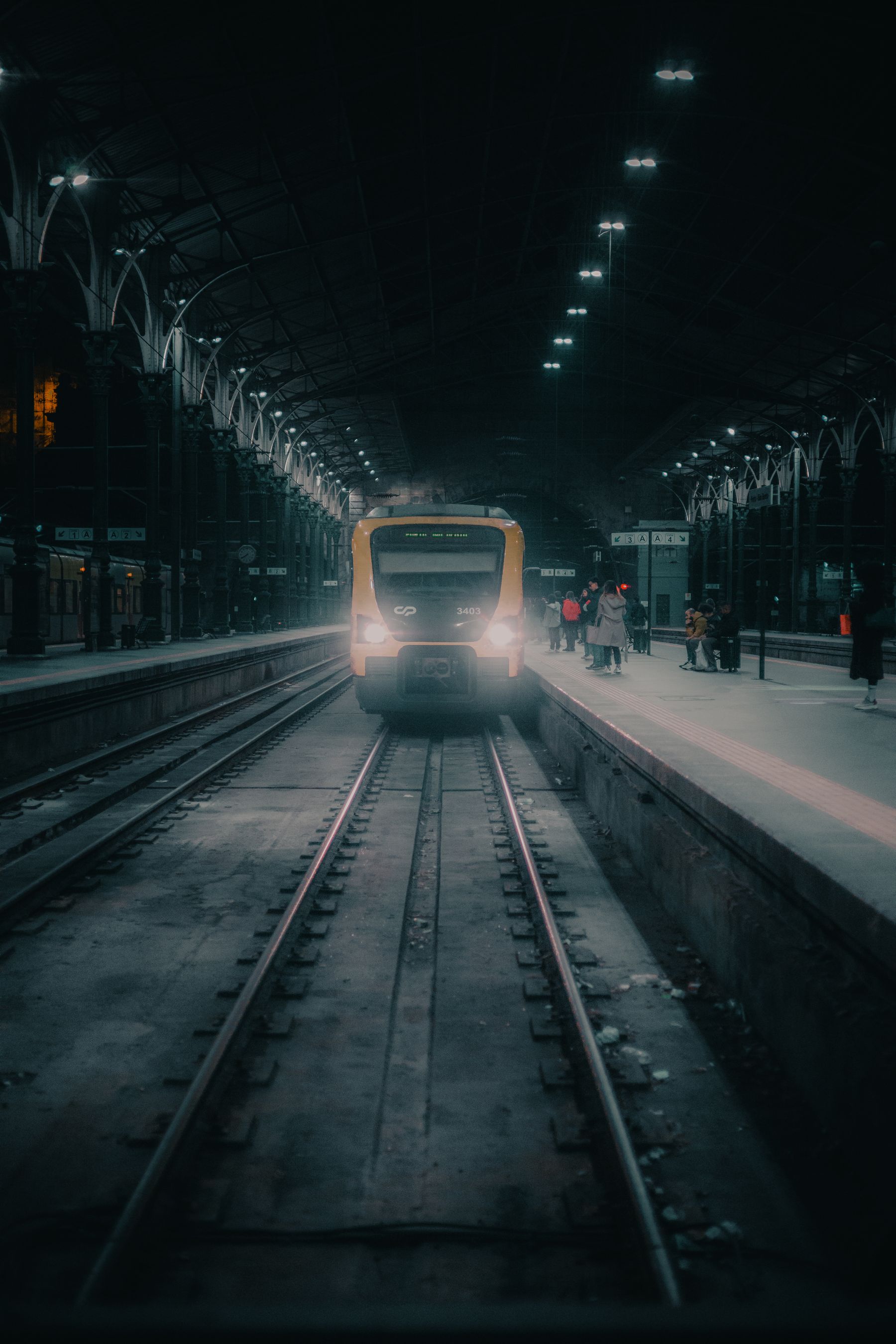
São Bento is both a working railway station and one of Porto's most accessible tile interiors. The entrance hall is covered with large historical azulejo panels.
Visit outside the busiest arrival periods when possible, and keep doors and passenger routes clear. Further reading: a train day trip from São Bento.
Climb Clérigos Tower
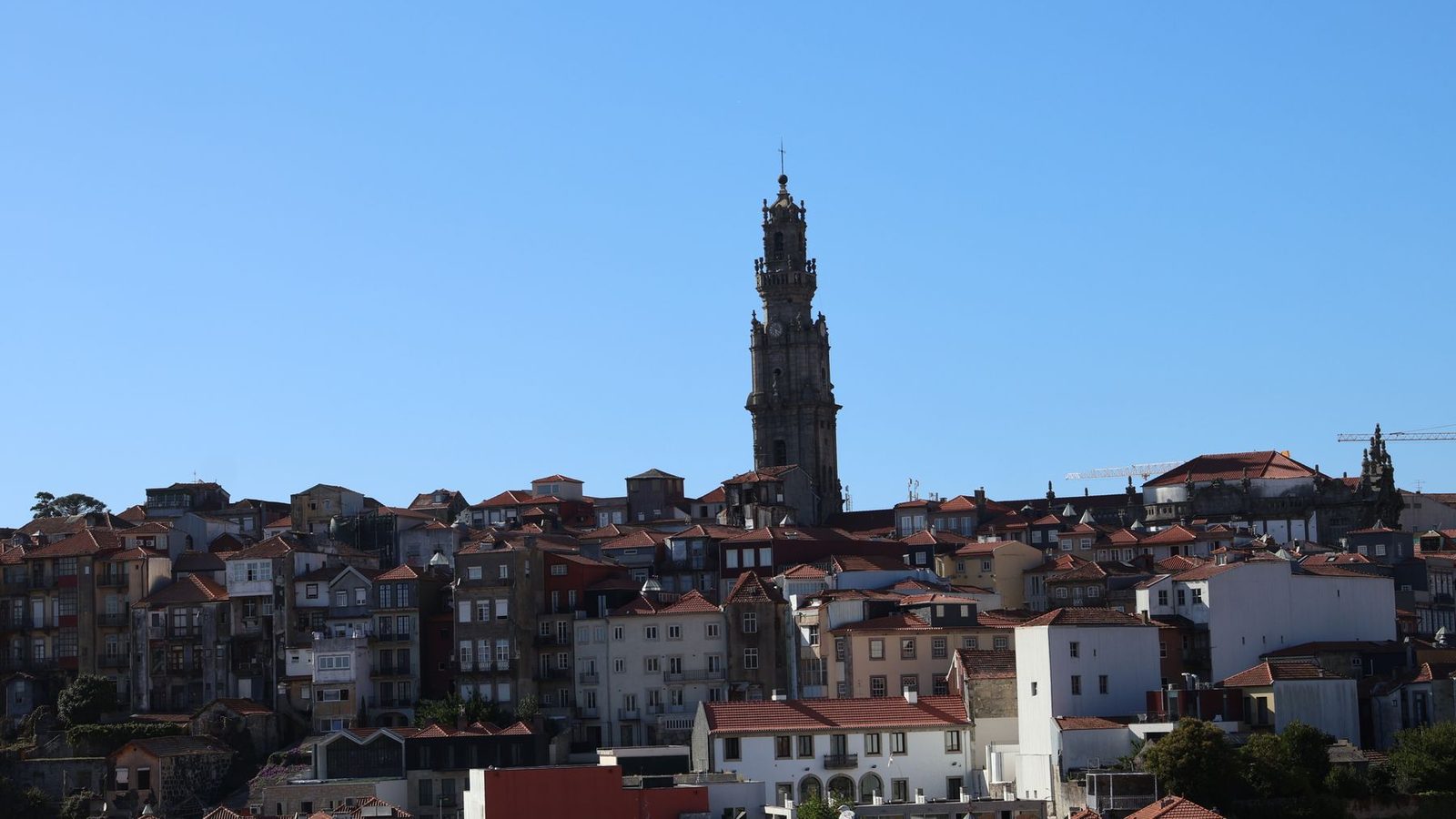
Clérigos Tower is one of Porto's clearest landmarks. The climb is narrow and can feel busy, but the top gives a useful view across the rooftops and towards the Atlantic.
If you do not want the stairs, the church and surrounding streets still fit naturally into a central walking route. Further reading: Porto's best viewpoints.
Browse Mercado do Bolhão
The restored Bolhão market combines produce stalls, food counters and specialist shops in the centre of Porto. It works well in the morning, before walking along Rua de Santa Catarina.
Go for the building and daily market rhythm rather than expecting a purely traditional market untouched by tourism. Further reading: Porto's best markets.
Visit Porto Cathedral and the Sé lanes
Porto Cathedral sits above Ribeira and makes a practical starting point for a downhill route. The terrace opens towards the city, while the lanes below lead through one of Porto's oldest areas.
Combine Sé with São Bento, then descend towards the river instead of climbing the same streets later. Further reading: a Porto itinerary.
Walk Rua das Flores
Rua das Flores links the São Bento area with the lower historic centre. The pedestrian street is lined with restored façades, shops, cafés and street performers.
It becomes crowded in the middle of the day, so use it early or treat it as a connection rather than a destination on its own. Further reading: more central Porto neighbourhoods.
Tour Palácio da Bolsa
Palácio da Bolsa adds a different layer to Porto's commercial history. Interior visits are guided and include the richly decorated Arab Room.
Tour languages and times vary, so check the current schedule before arriving rather than assuming immediate entry. Further reading: Porto museums.
Explore Cedofeita
Cedofeita offers independent shops, galleries, coffee and restaurants beyond the busiest riverfront streets. Rua de Miguel Bombarda is the best-known cultural axis, but the wider neighbourhood rewards an unhurried walk.
It is particularly useful when you want to combine sightseeing with a slower lunch or evening. Further reading: the Cedofeita guide.
Go to Foz do Douro
Foz is where the Douro reaches the Atlantic. Walk the promenades, see the lighthouse area and continue along the coast when the weather is clear.
The tram is scenic but not always the fastest route. Buses or a taxi can be more practical when time is limited. Further reading: a visit to Foz do Douro.
Take a Douro Valley day trip
The Douro Valley needs a full day. The strongest reason to take an organised tour is easy access to wine estates without driving, often combined with lunch or a short cruise.
Compare the number of winery visits, pickup arrangements, group size and inclusions rather than choosing only by price. Further reading: ways to visit the Douro Valley.
Try Porto's essential food
Francesinha is the headline dish, but Porto's food identity also includes tripas, bacalhau à Gomes de Sá, cachorrinhos, bifanas and fresh fish in nearby Matosinhos.
A food tour can provide context, but you can also build your own route by mixing traditional cafés, markets and one carefully chosen restaurant. Further reading: what to eat in Porto.
Watch sunset from a viewpoint
Jardim do Morro has the famous bridge-and-river view, while Virtudes, Serra do Pilar and several smaller miradouros create different angles.
Choose a viewpoint near your dinner plans and arrive before sunset. The best-known terraces fill earlier than many first-time visitors expect. Further reading: Porto sunset spots.
If you only have one day in Porto
Start at São Bento and Porto Cathedral, then walk downhill through Ribeira. Cross the lower level of Dom Luís I Bridge, choose one port wine cellar in Gaia and finish at Jardim do Morro or Serra do Pilar.
Do not add Foz and the Douro Valley to the same day. Porto's distances look small, but hills and waiting times make an overfilled itinerary tiring.
Best free things to do in Porto
Walking Ribeira, crossing the bridge, seeing São Bento's entrance hall, browsing Bolhão and visiting public viewpoints can fill most of a day without attraction tickets.
Neighbourhood walks through Cedofeita, Bonfim and Foz also cost nothing beyond transport and whatever you decide to eat along the way.
What to do in Porto when it rains
Keep a flexible group of indoor options: Palácio da Bolsa, churches, museums, Bolhão and the port wine cellars. São Bento works for a short shower, while a cellar tour or museum covers a longer wet period.
Porto's polished stone becomes slippery in rain. Shoes with grip matter more than an ambitious schedule.
Plan Porto by area and elevation
Group nearby sights and move downhill where possible. Sé, São Bento and Ribeira form one natural route; Clérigos, Carmo and Cedofeita form another; Gaia deserves its own half-day when you add a cellar visit.
Leave the Douro Valley for a separate day and combine Foz with Matosinhos or the western parks rather than crossing the entire city repeatedly.
What should you book before visiting Porto?
Book the experiences where a specific time, language or operator matters. Livraria Lello uses timed entry, Palácio da Bolsa runs guided visits, popular Port lodges can sell out in the preferred language, and small-group Douro tours have limited seats. Reserve those first, then build the surrounding route.
You normally do not need advance tickets for São Bento's entrance hall, the public bridge decks, Ribeira, Foz or city viewpoints. Keeping those stops flexible gives you room to react to rain, heat and how much energy Porto's hills require.
If you have only two or three days, avoid booking several similar experiences. One well-chosen cellar visit and one river experience usually provide more variety than three tastings and two short cruises.
Porto with children or limited mobility
The main challenge is elevation rather than distance. Families and travellers with limited mobility should use the metro, buses, taxis, funicular and Gaia cable car strategically instead of treating every connection as a walk.
Ribeira's lanes, bridge approaches and historic paving are not uniformly step-free. Check the exact entrance of hotels and attractions, and remember that the lower and upper bridge decks lead to different city levels. A route that looks short on a map may still include stairs or a sustained climb.
For an easier day, combine Bolhão and the upper centre, or choose Foz and Parque da Cidade. Both plans allow regular stops and can be shortened without losing the main experience.
Useful answers
FAQ - Things to do in Porto
For a first visit, prioritise Ribeira, Dom Luís I Bridge, São Bento, the Gaia wine cellars and one wider experience such as Foz or the Douro Valley.