

May, June and September are the best all-round months to visit Porto for many travellers: the days are useful for sightseeing, outdoor plans are more dependable than in winter and pressure is usually lower than at the height of summer.
The right month still depends on the trip. Choose July or August for the strongest chance of beach weather, September for Porto plus the Douro, and winter when lower demand and indoor culture matter more than dry days.
What is the best time to visit Porto?
May, June and September are the strongest all-round months for many visitors. They usually combine useful daylight and outdoor weather with less pressure than the busiest weeks of July and August.
There is no completely dry guarantee in an Atlantic city. Choose summer for the best chance of sunshine, spring or early autumn for balance, and winter for lower demand and indoor culture.
- ✓ Best overall balance: May, June and September
- ✓ Best for warm weather: July and August
- ✓ Best for fewer visitors: November to February
- ✓ Best for wine-country atmosphere: September and October
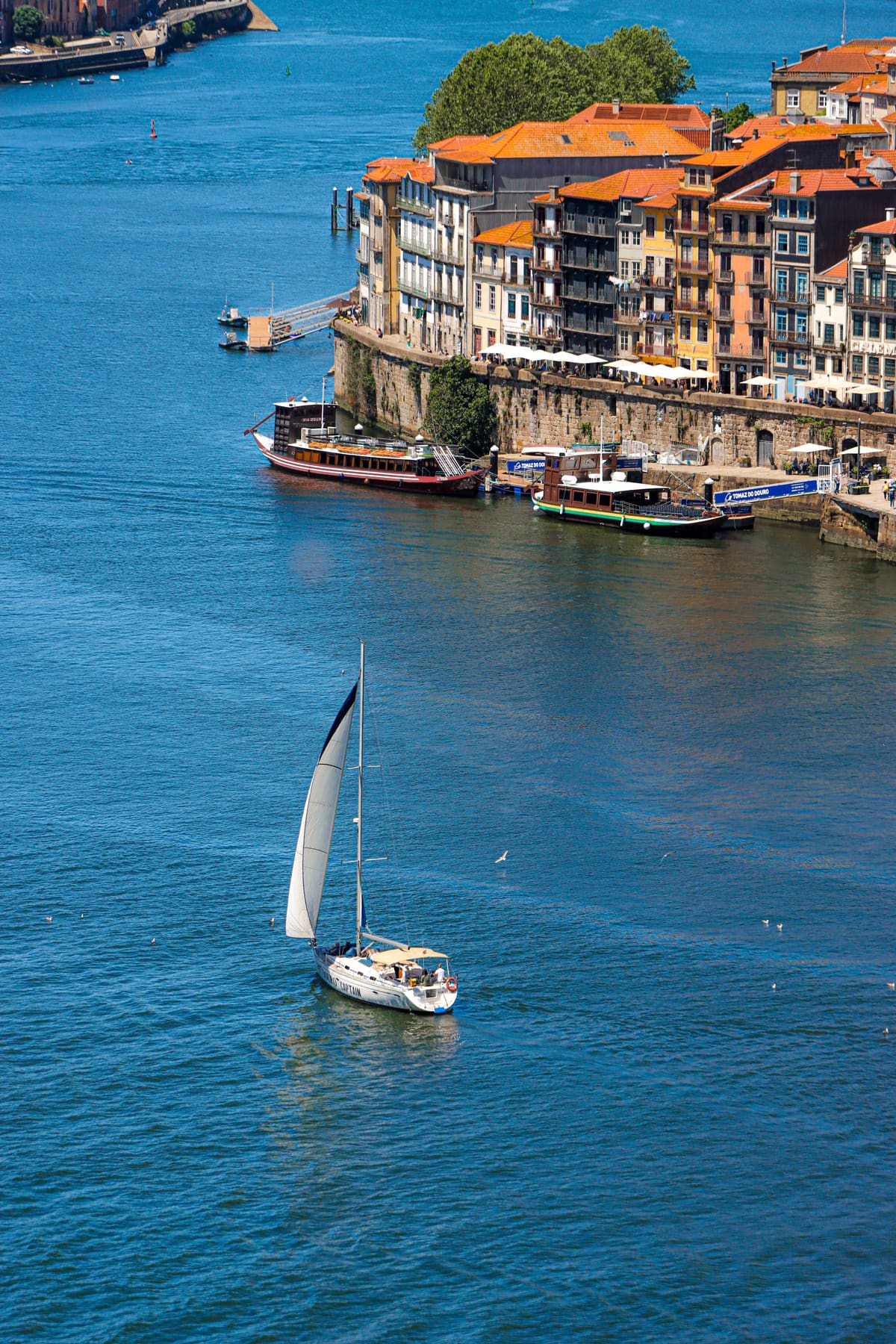
Porto in spring: March to May
Spring changes quickly. March can still feel wet and cool, while May often provides longer, brighter days that suit walking, viewpoints and river cruises.
Pack a light waterproof layer and clothes that can be added or removed. Easter and long weekends can raise demand even outside summer, so compare accommodation dates before assuming spring is always quiet.
Porto in summer: June to August
Summer offers the longest days and the most reliable outdoor conditions. It is the easiest season for Foz, Matosinhos, terraces and evening walks beside the Douro.
The trade-off is demand. Ribeira, Livraria Lello and Dom Luís I Bridge become crowded, and central hotels can cost more. Start headline sights early, reserve timed attractions and keep midday for lunch or interiors on hot days.
Porto in autumn: September to November
September is one of the best months for combining Porto with the Douro Valley. The weather can still be warm, daylight remains useful and the wine region has harvest energy.
Rain risk increases as autumn advances. October can still be excellent, but build flexibility into outdoor plans. By November, waterproof shoes and an indoor alternative become more important.
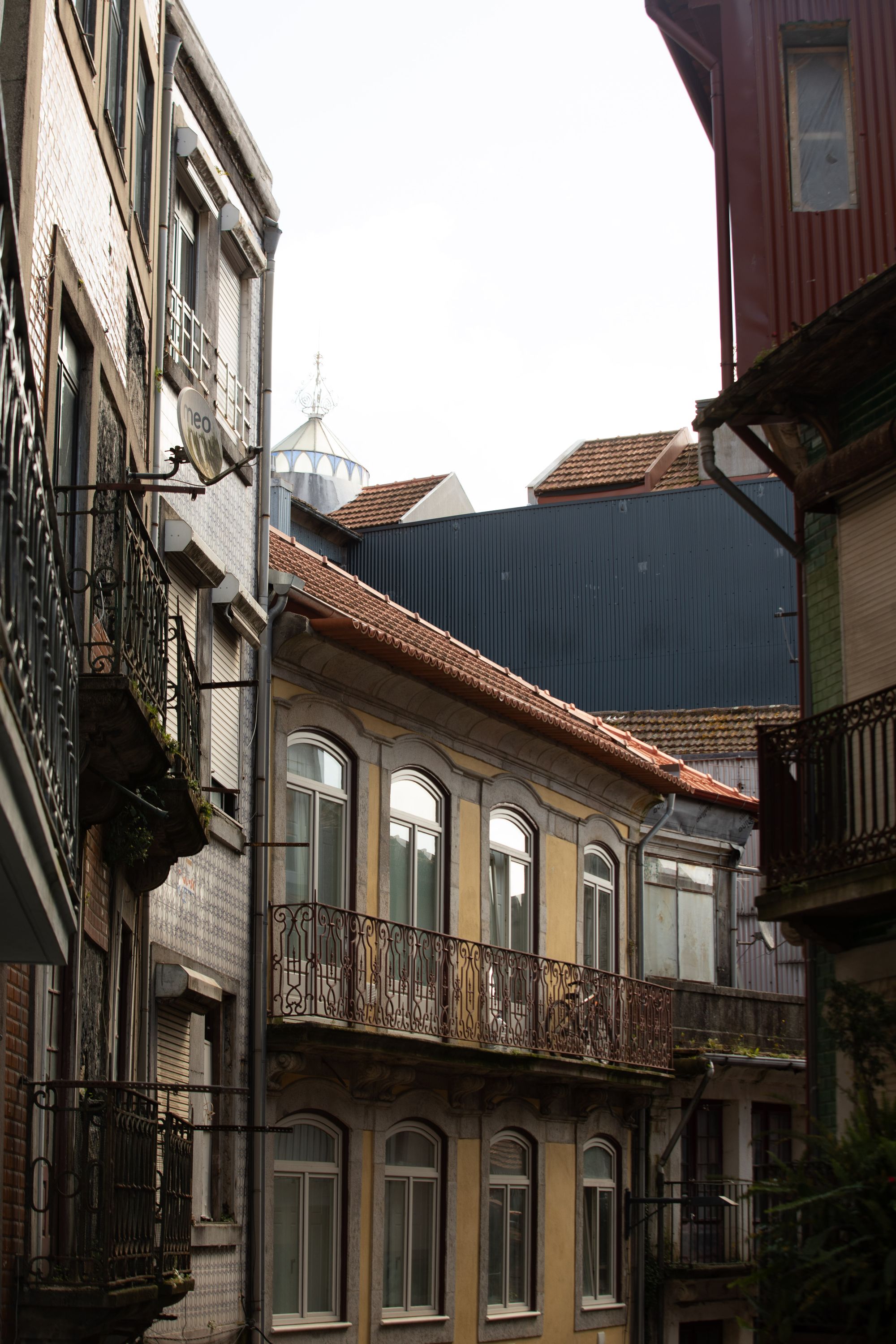
Porto in winter: December to February
Winter is quieter, cooler and wetter. The city remains active year-round, and museums, churches, markets, cafés and port wine lodges give you good options when rain arrives.
Shorter daylight reduces how much you can comfortably fit into one day. Choose accommodation with easy transport, carry a proper rain shell and avoid building an itinerary that depends entirely on viewpoints.
Crowds, events and prices
São João around 23 June is Porto’s largest annual celebration and changes the atmosphere, transport and accommodation demand. Christmas and New Year also create specific busy periods within winter.
Hotel prices respond to events, weekends and major European holidays, not only seasons. Compare exact dates and use flexible reservations when your travel window can move by a few days.
How to choose your month
Prioritise your most weather-sensitive activity. Choose late spring or summer if the coast matters, September for a city-and-Douro combination, or winter if museums, food and value matter more than outdoor certainty.
Check separate forecasts for Porto and the inland Douro Valley before a day trip. Conditions can differ substantially on the same date.
Choose the season around your main activity
Coastal walks and beach time benefit most from late spring through early autumn. A city break built around food, museums and Port cellars can work throughout the year because the essential experiences do not depend on continuous sunshine.
For the Douro Valley, compare Porto's coastal forecast with the inland forecast. The valley is often warmer and conditions can differ substantially on the same day. See a Douro Valley day trip from Porto.
How to manage Porto in the busiest months
Summer does not make Porto unmanageable, but it changes how the day should be organised. Reserve capacity-limited attractions, visit Ribeira and the bridge earlier, and keep the brightest midday period for lunch, a museum or a cellar.
A central hotel can save time during a short summer stay. Check air conditioning, street noise and the precise walking route rather than choosing only by a broad neighbourhood label. See the right Porto neighbourhood for your stay.
What to do when rain is likely
Porto's Atlantic weather is variable, especially from late autumn through early spring. Build a movable plan instead of assigning every outdoor sight to a fixed day weeks in advance.
Keep Serralves, Soares dos Reis, the Portuguese Centre of Photography or a Gaia cellar available for wetter hours. Use the clearest period for viewpoints, Foz and the upper bridge deck. See the best museums in Porto.
What should you book in advance?
Book earlier for São João, summer weekends, Easter and New Year. The event calendar can affect accommodation more sharply than the season itself, so compare exact dates rather than assuming every shoulder-season week is quiet.
For ordinary sightseeing, reserve only the experiences with fixed capacity or a specific time that matters. Flexible days are more useful than a fully prepaid outdoor itinerary when weather remains uncertain. See what changes during Porto's São João festival.
Useful answers
FAQ - Best time to visit Porto
May, June and September usually offer the best balance of daylight, outdoor weather and manageable demand.


