Porto Cathedral is worth including in a first visit for its hilltop setting and layered architecture. The church, cloister, museum and tower are related but should not be treated as one unrestricted free space; admission conditions can differ by area.
The cathedral stands above São Bento and Ribeira. Plan the stop as part of a downhill historic walk if steep streets are tiring, and check the diocesan visitor information before relying on an old ticket price.
Porto Cathedral at a glance
The Diocese lists summer visiting hours of 09:00–18:30 and winter hours of 09:00–17:30. It notes closures on Christmas and Easter and a Sunday Mass at 11:00. Religious services may alter visitor access, so confirm the date-specific arrangement directly. See Diocese of Porto cathedral visiting information.
| Part of a visit | What to know |
|---|---|
| Cathedral church | Active place of worship; sightseeing access may change for services |
| Cloister and museum | Check the current ticket and permitted route |
| Tower | Expect steps and verify whether access is open |
| Best route | Pair with São Bento and the upper Luís I Bridge |
| Usual visitor hours | Summer 09:00–18:30; winter 09:00–17:30 |
What is worth seeing at Sé do Porto?
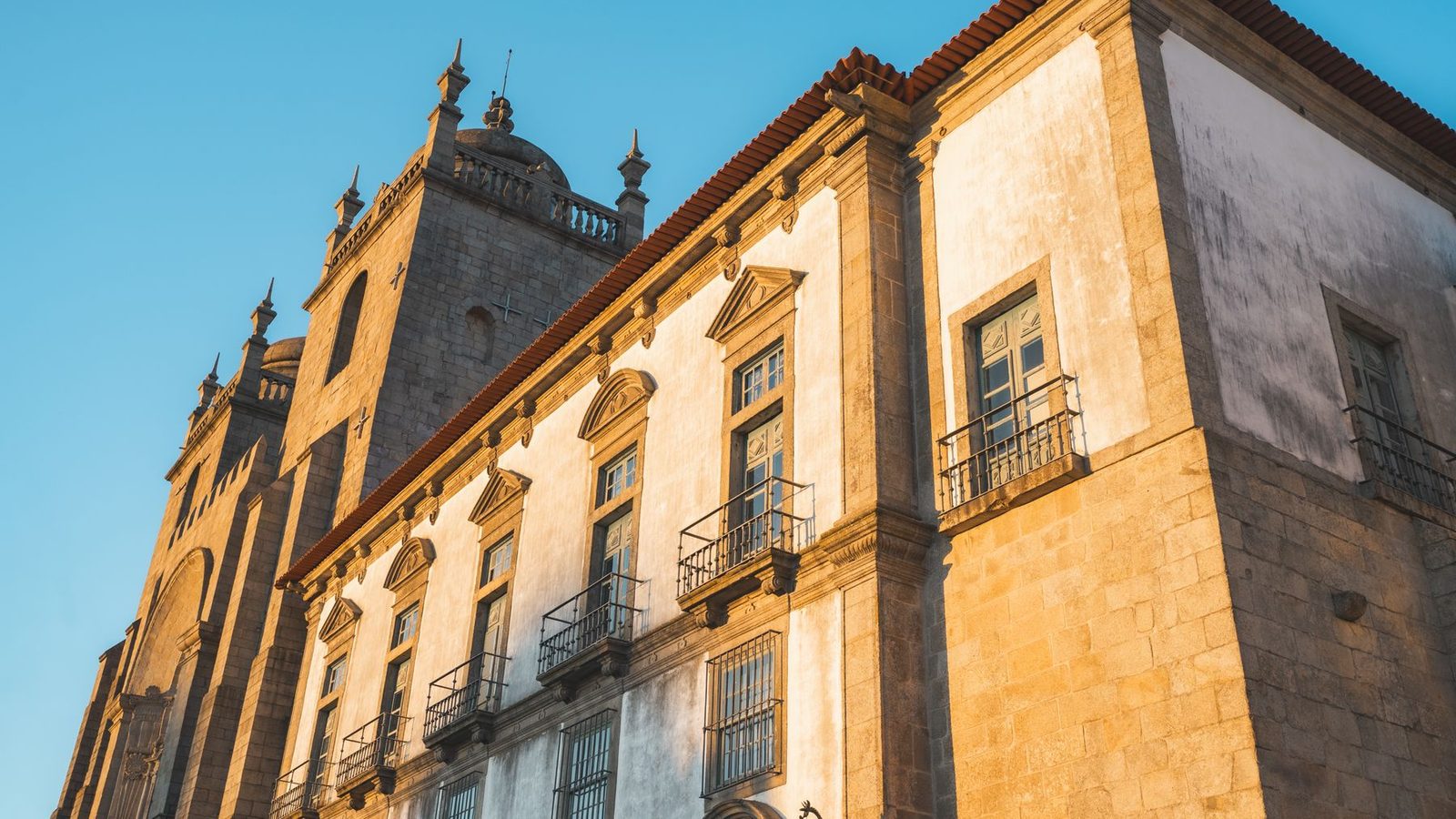
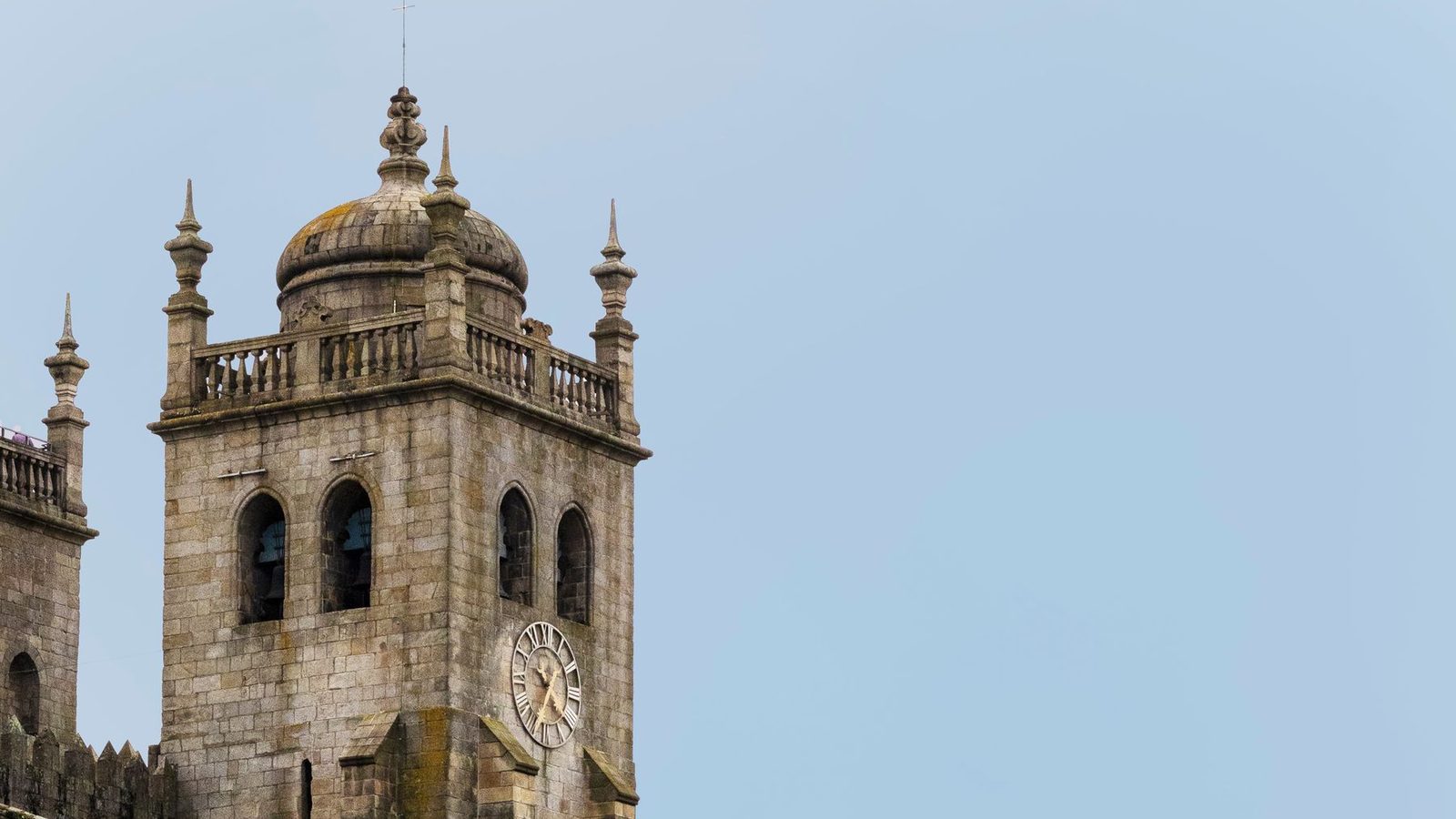
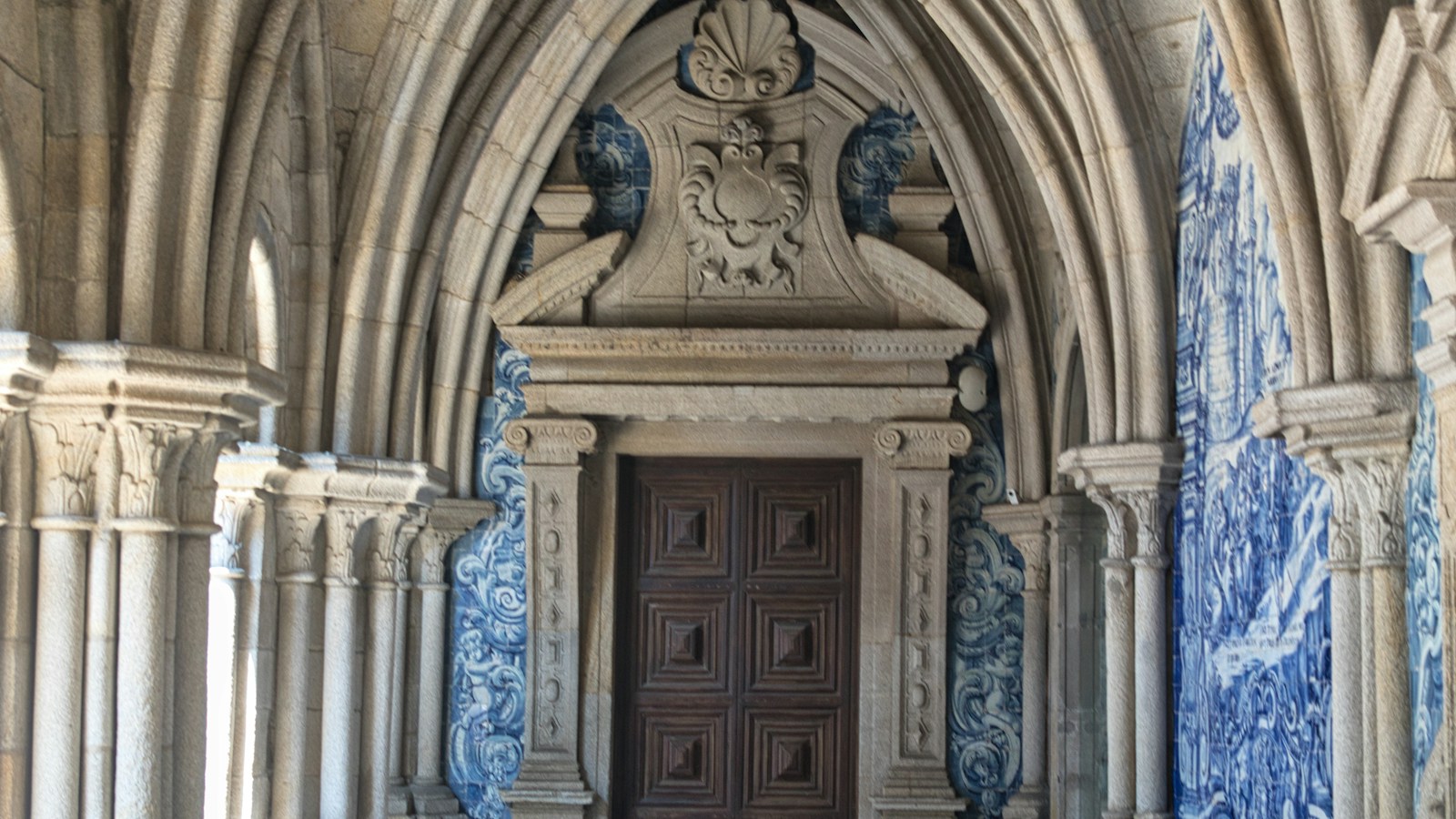
The church’s heavy stone exterior reflects its medieval origins, while later alterations and decoration reveal how Porto changed around it. The cloister is especially appealing to visitors interested in tiles and quieter architectural details. The open square outside gives a useful sense of the city’s height above the Douro.
Do not rush directly to a ticket desk without first looking at what each ticket includes. If time is short, the exterior and square still make a worthwhile stop. If architecture is your main interest, allocate time for the cloister and museum rather than treating the cathedral as a photo stop. See Porto Cathedral official diocesan guide.
Do you need a ticket for Porto Cathedral?
Visitor access to the cloister, museum and tower is ticketed under the cathedral’s current arrangements. Church access can differ, particularly around worship. Do not assume that the price shown on an older tourism listing still applies; the diocesan information is the more direct source for current admission rules.
If you only want the panorama from the square, there is no reason to buy an interior ticket for that purpose. Buy the ticket when the interior spaces are what you actually want to explore. See Porto Cathedral visitor tickets with the Diocese.
Can you visit during Mass or a service?
Sé is a working cathedral. The Diocese lists a Sunday Mass at 11:00, and special liturgies can change the normal visitor route. Worshippers and sightseers use the building differently; a service is not a substitute for access to the museum or cloister.
If your schedule permits only one slot, choose a time outside a listed service and confirm any holiday exceptions. On Easter and Christmas, the cathedral’s closure details deserve a direct check rather than an assumption based on regular hours. See Cathedral liturgy and visitor notices.
How demanding is the visit?
The square is on high ground, and routes from Ribeira climb steeply. Inside, older floors, steps and tower access may limit mobility. Ask the cathedral which spaces on the current visitor route can be reached without stairs before you purchase a combined ticket.
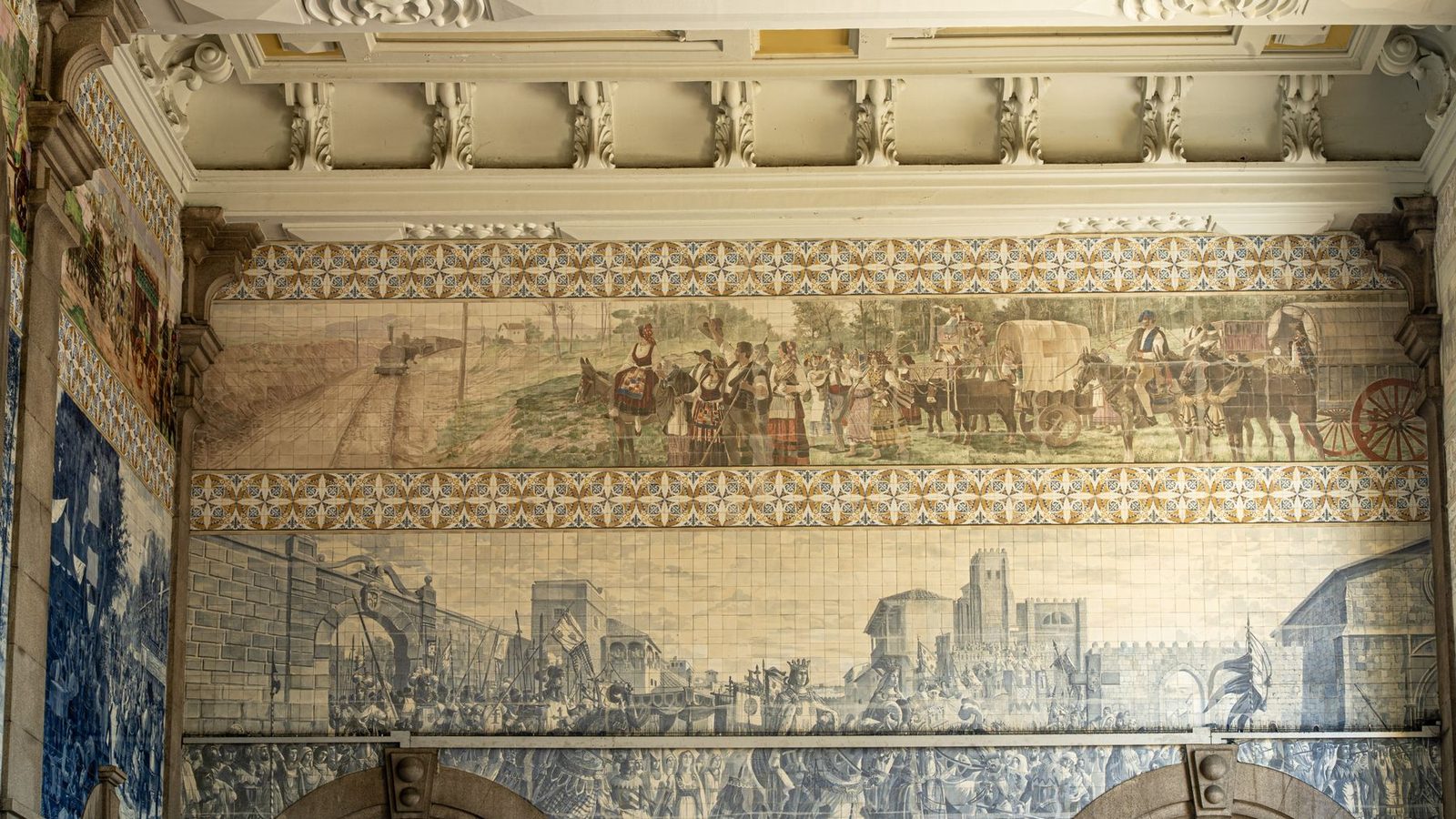
If you are approaching from São Bento, the climb is shorter than from the riverfront. A taxi or ride-hail to the upper city can be a sensible way to keep the rest of the visit downhill, especially with a stroller or someone who cannot manage repeated slopes. See São Bento Station guide and upper-city route.
What pairs well with Porto Cathedral?
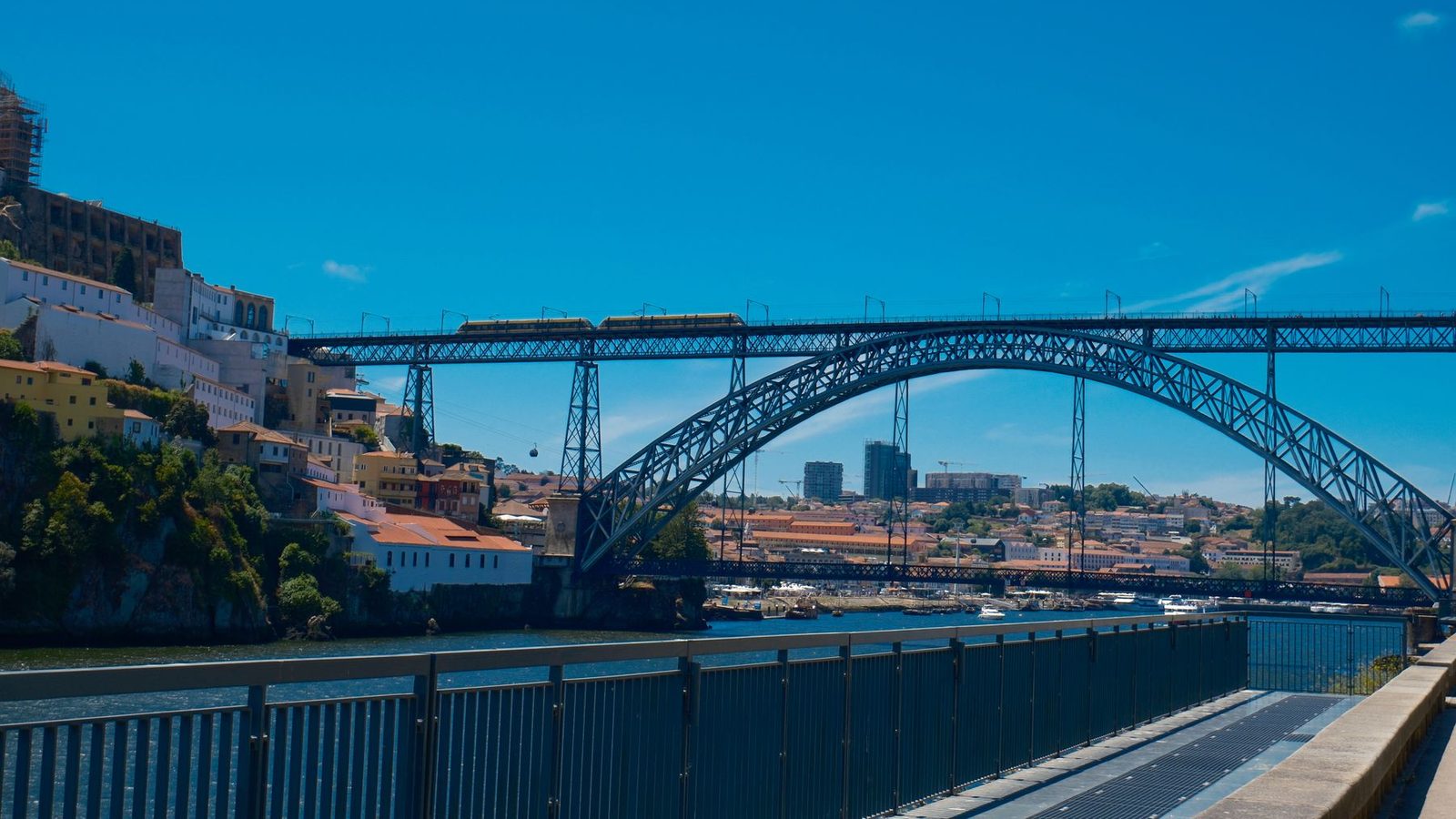
Start at São Bento, visit Sé, then continue towards the upper deck of the Dom Luís I Bridge. From Gaia’s Jardim do Morro you can see the historic centre from across the river. Alternatively, descend through the Sé lanes into Ribeira; those streets are scenic but can be slippery after rain.
The cathedral also connects naturally to a wider walking itinerary, but resist adding too many paid interiors to the same short morning. The hills and viewpoints deserve time in their own right. See Dom Luís I Bridge walking guide, Porto itinerary with a realistic historic-centre route and Browse Porto attraction guides.
Is Porto Cathedral worth visiting?
For most first-time visitors, yes: the setting, church and connection to the city’s oldest streets justify the stop. Pay for the extra spaces if the cloister and museum appeal to you, rather than because every guide calls them essential.
Check service times, the current ticket and step-free access if needed. Then choose whether your next stop is São Bento, the bridge or the river; the direction of that walk changes how hard the route feels.
Useful answers
FAQ - Porto cathedral
The rules differ between worship access and ticketed visitor areas such as the cloister, museum and tower. Check the Diocese’s current ticket details.