Neighbourhood guide
Best areas to stay in Porto
For most first visits, start with Baixa or Ribeira. Then compare Cedofeita, Bonfim, Gaia, Boavista and Foz against your actual priorities.
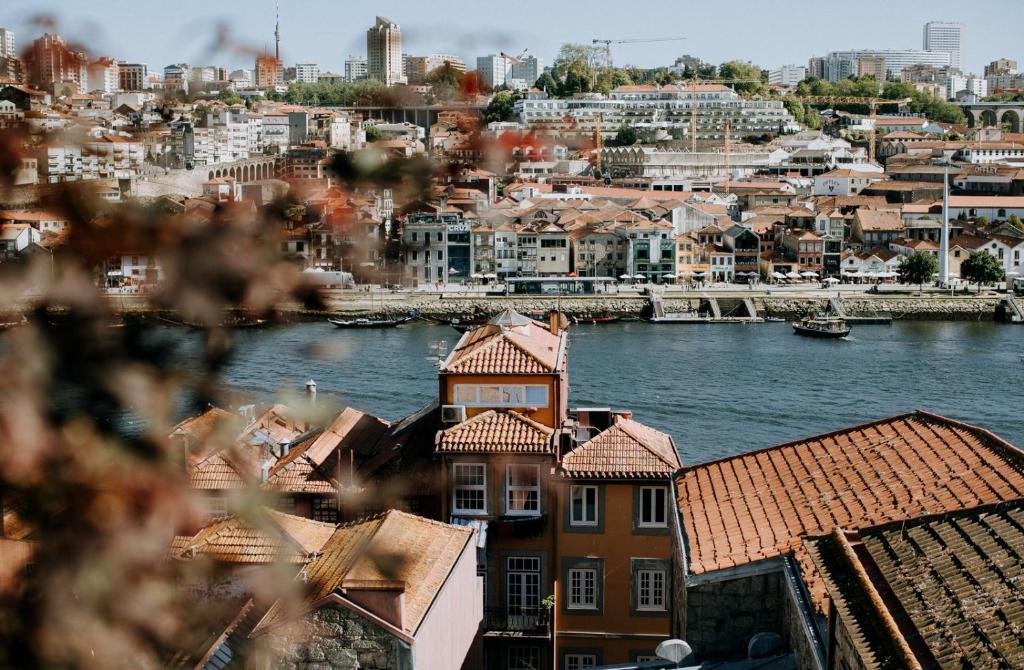
Ribeira: historic Porto by the river
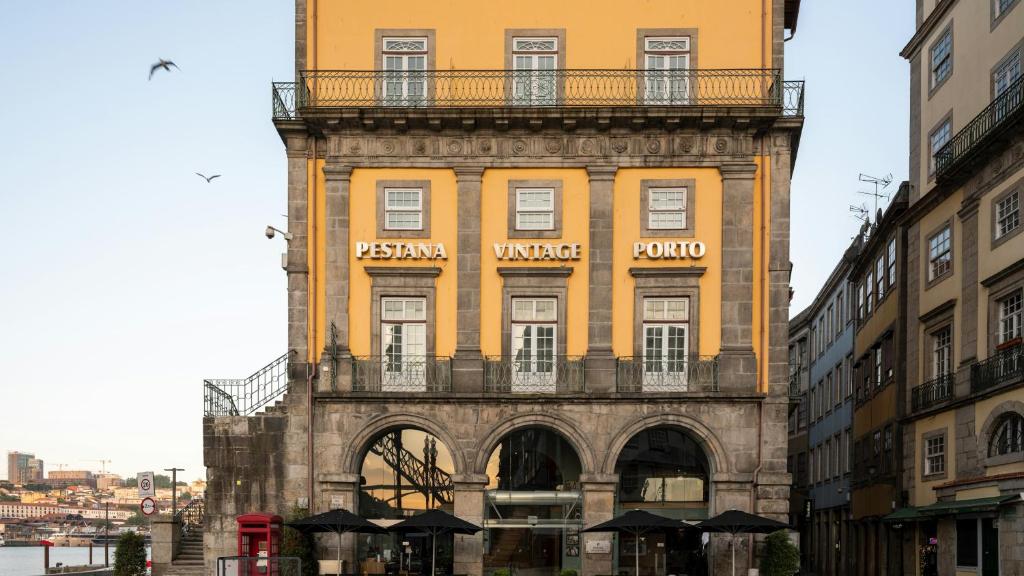
Choose Ribeira for immediate river atmosphere, postcard views and easy access to the lower bridge. Palácio da Bolsa, São Francisco and Douro cruises are nearby. Check gradients, evening noise and vehicle access for the exact address. It is best for atmosphere, but not automatically the easiest base with luggage or limited mobility.
Baixa: best for a first visit
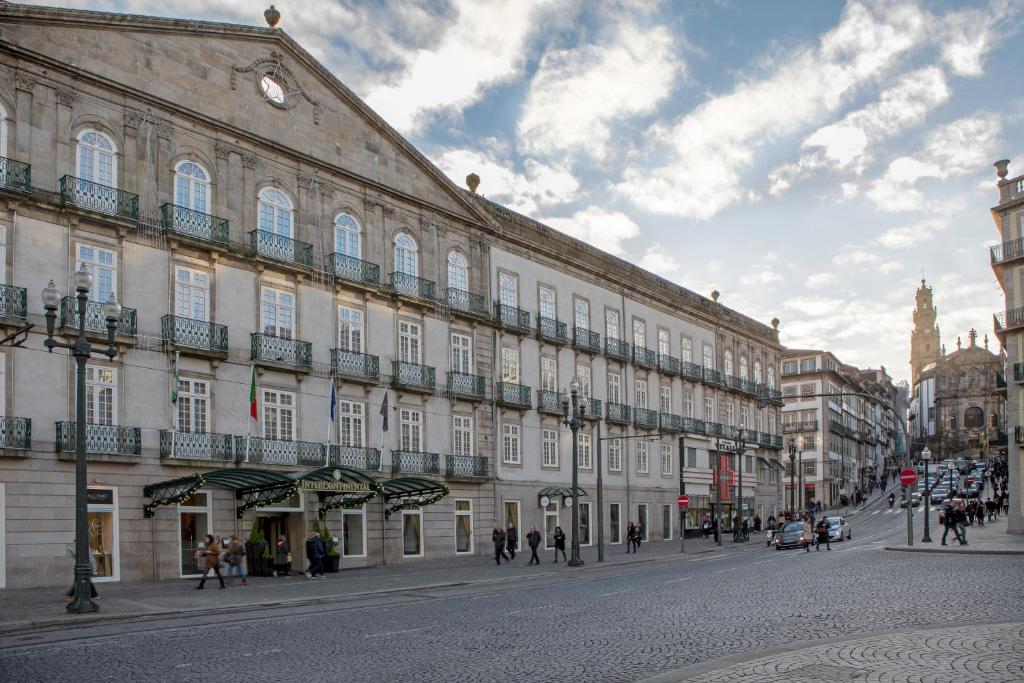
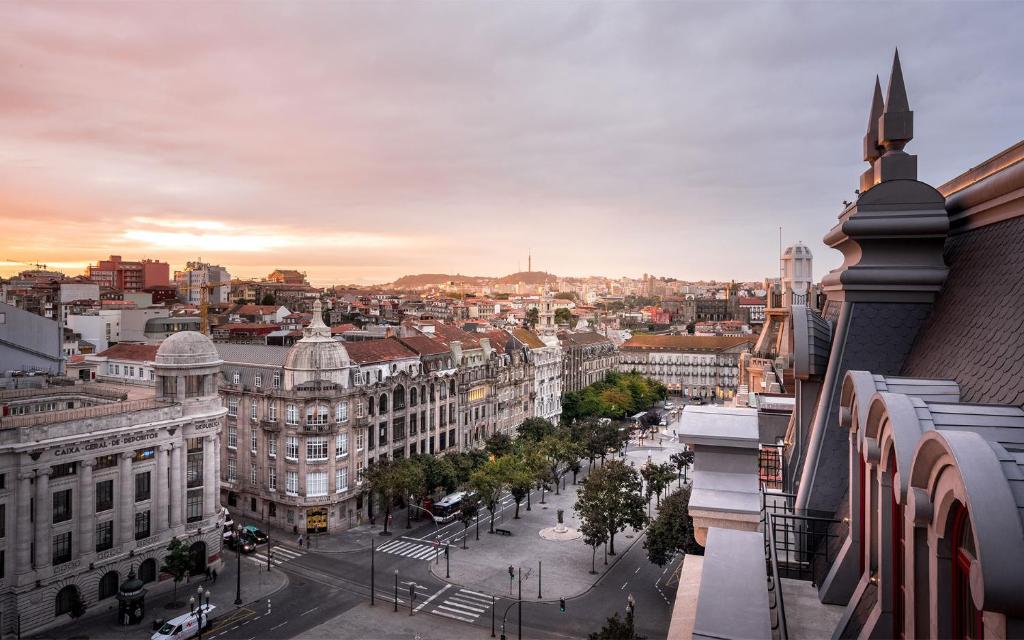
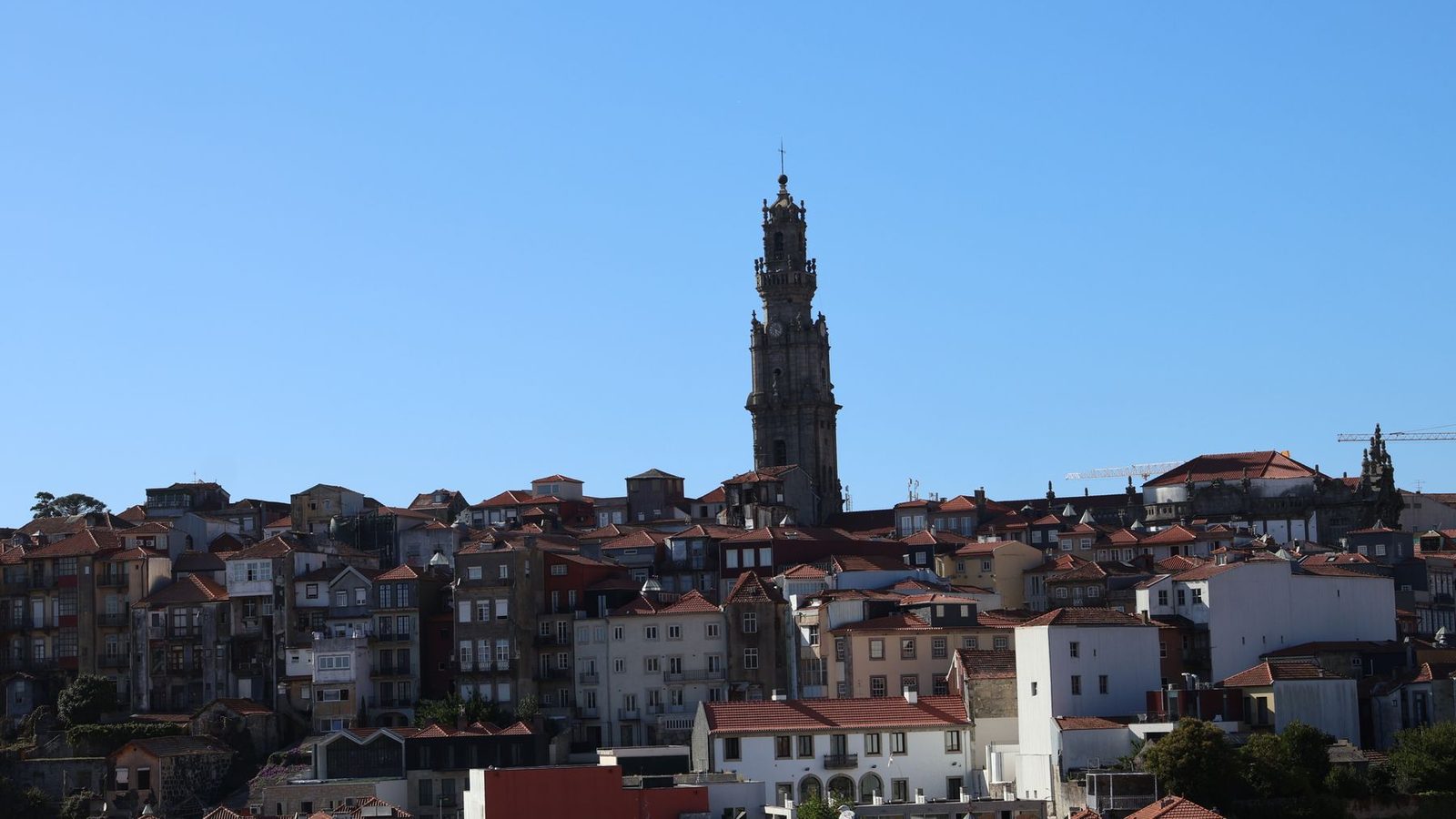
Baixa balances central sights, restaurants, metro connections and several routes through the city. São Bento, Bolhão, Aliados and Clérigos are within reach, while Ribeira is downhill. It often works best for first-time visitors who want transport convenience without giving up the historic centre.
Cedofeita: restaurants, nightlife and a local feel
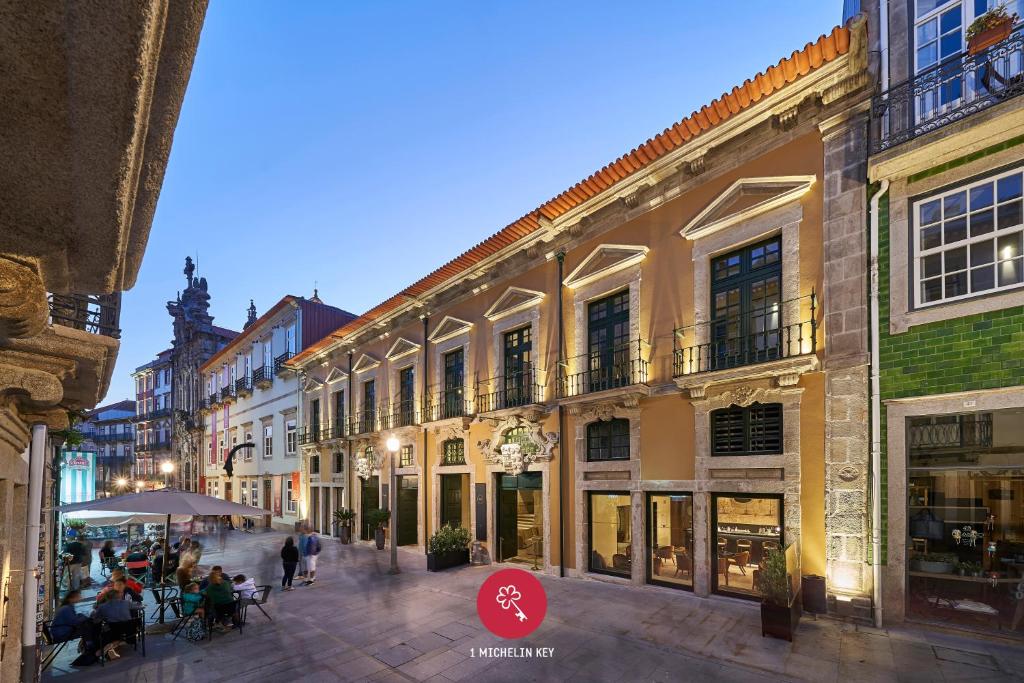
Cedofeita suits travellers who value independent businesses, galleries and evenings away from the busiest riverfront streets. The district remains walkable to Clérigos and Baixa, although exact accommodation can sit farther west or north than the neighbourhood label suggests.
Bonfim: quieter and increasingly popular
Bonfim offers a more residential base east of the centre, with cafés, restaurants and guesthouses around streets that feel less dominated by sightseeing. It is useful for repeat visitors and travellers who accept a longer walk or short metro journey to the main riverfront sights.
Vila Nova de Gaia: wine cellars and Porto views
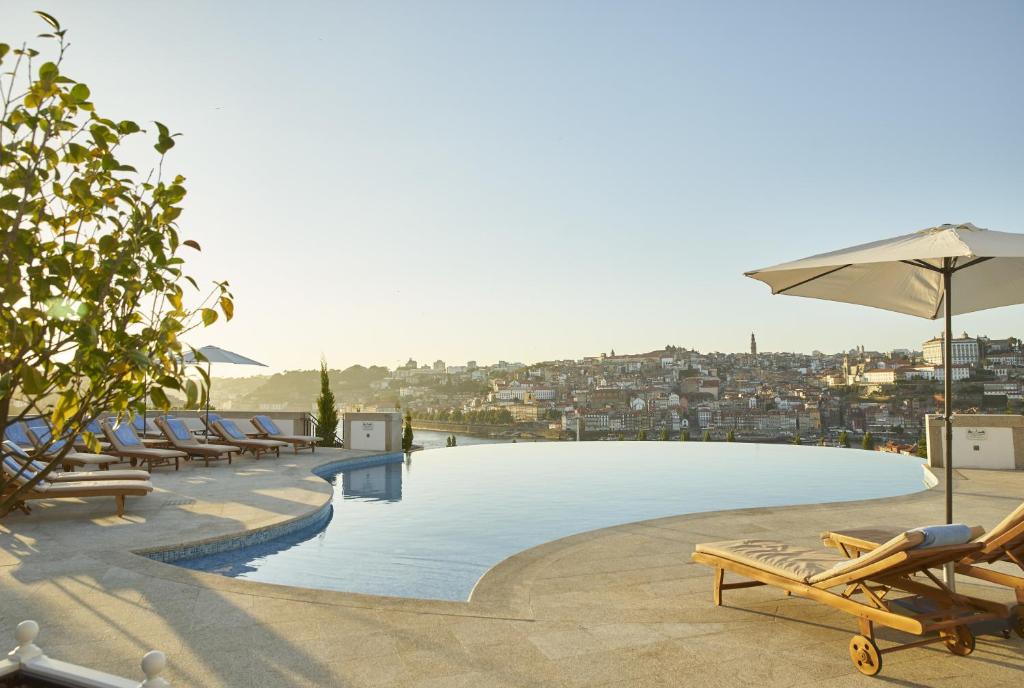
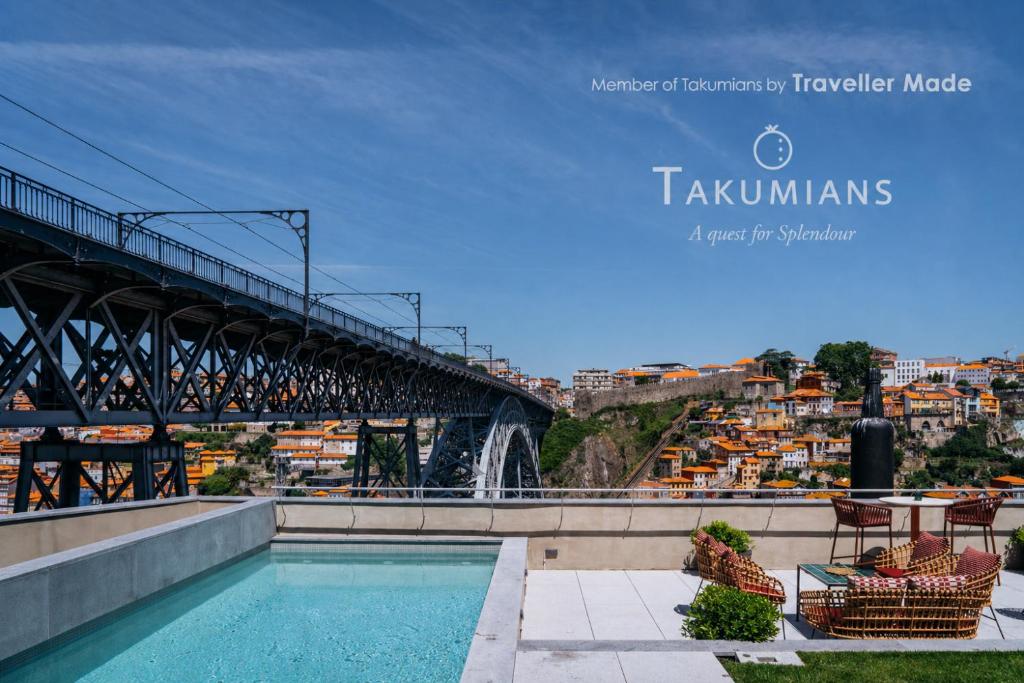
Stay in Gaia for cellar access and views towards Porto. River-level hotels place the lower bridge close by, while properties near Jardim do Morro connect with the upper deck and metro. Check whether a hotel sits near the river or high on the slope because the two experiences are very different.
Boavista: modern hotels and easier road access
Boavista has larger hotels, Casa da Música, contemporary services and more convenient road access than the historic core. It works well for business trips, drivers and travellers who prefer modern rooms, but you will use public transport more often for Ribeira and Gaia.
Foz do Douro: coast and a slower atmosphere
Foz exchanges doorstep sightseeing for Atlantic air, promenades and a quieter evening rhythm. Choose it for the coast rather than as the most efficient first-time base. Buses and taxis connect the centre, but daily journeys take longer than staying in Baixa or Cedofeita.
For a closer look at specific areas, compare hotels near Aliados, Bonfim hotels, Foz do Douro hotels and Vila Nova de Gaia hotels. For a longer wine-country stay, see Douro Valley hotels.
Porto or Gaia: which side should you stay on?
Porto puts more central sights on your side of the river; Gaia prioritises wine lodges and skyline views. The lower bridge connects the waterfronts, while the upper deck connects the higher city levels. Bridge level and hotel elevation matter as much as the municipality name. Porto's city tax depends on that boundary too; check the Porto tourist tax rules before comparing the final booking totals.
Choose your hotel location carefully
Check the final 500 metres on a topographic map and read recent access comments. A short walk can include steps, polished cobbles or a demanding incline, especially around Ribeira and Gaia. Confirm lift access if the building is historic.
Best area without a car
Baixa, Cedofeita and Ribeira all work without a car. Baixa has the strongest overall mix of metro and walking routes. A car rarely improves a central stay because parking, restricted streets and one-way systems add friction.
Best area for nightlife and restaurants
Cedofeita and central Baixa give you the broadest evening choice within walking distance. Ribeira has riverfront atmosphere but many venues are visitor-focused. Foz is calmer and works better for long coastal dinners than late-night variety.

 1 / 5