

The best Porto walking tour does more than connect landmarks: it explains the city while managing its hills intelligently.
Compare historic, food, architecture and private routes using group size, terrain, duration and where the walk finishes.
Which Porto walking tour should you choose?
A historic-centre tour is the best first orientation. Food tours dedicate more time to markets and tastings, while architecture and azulejo walks examine details you might otherwise pass.
Private tours cost more but can adapt the route, pace and starting point. Free-tour models normally expect a tip and may use larger groups, so compare the format rather than only the booking price.
- ✓ Best first tour: historic-centre overview
- ✓ Best local context: food and market walk
- ✓ Best specialist theme: architecture and tiles
- ✓ Best adaptable option: private guide
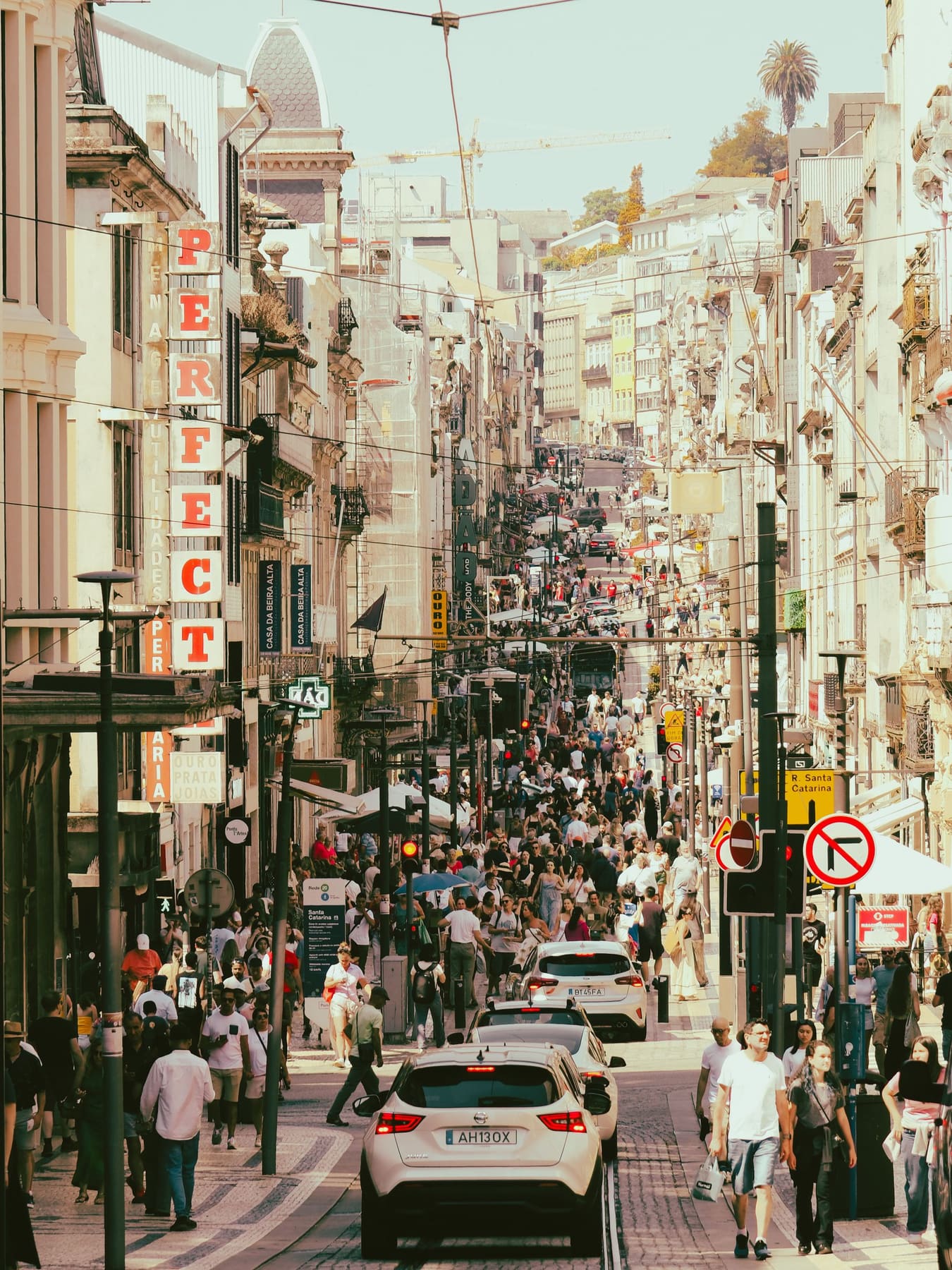
For ticketed activities, compare current availability and inclusions among Porto tours and experiences before booking.
What do Porto walking tours cover?
Common routes include São Bento, Sé, Baixa, Clérigos and Ribeira. The exact sequence matters because the city drops sharply towards the Douro.
Check both the meeting point and finishing point. A tour that ends at the river may leave a steep return to an upper-city hotel or your next reservation.
Hills, stairs and cobbled streets
Porto is rewarding on foot but not flat. Traditional stone can be slippery after rain, and short routes can include substantial elevation.
Wear shoes with dependable grip and tell the operator about mobility needs before booking. Ask whether steps can be avoided and whether the pace allows regular stops.
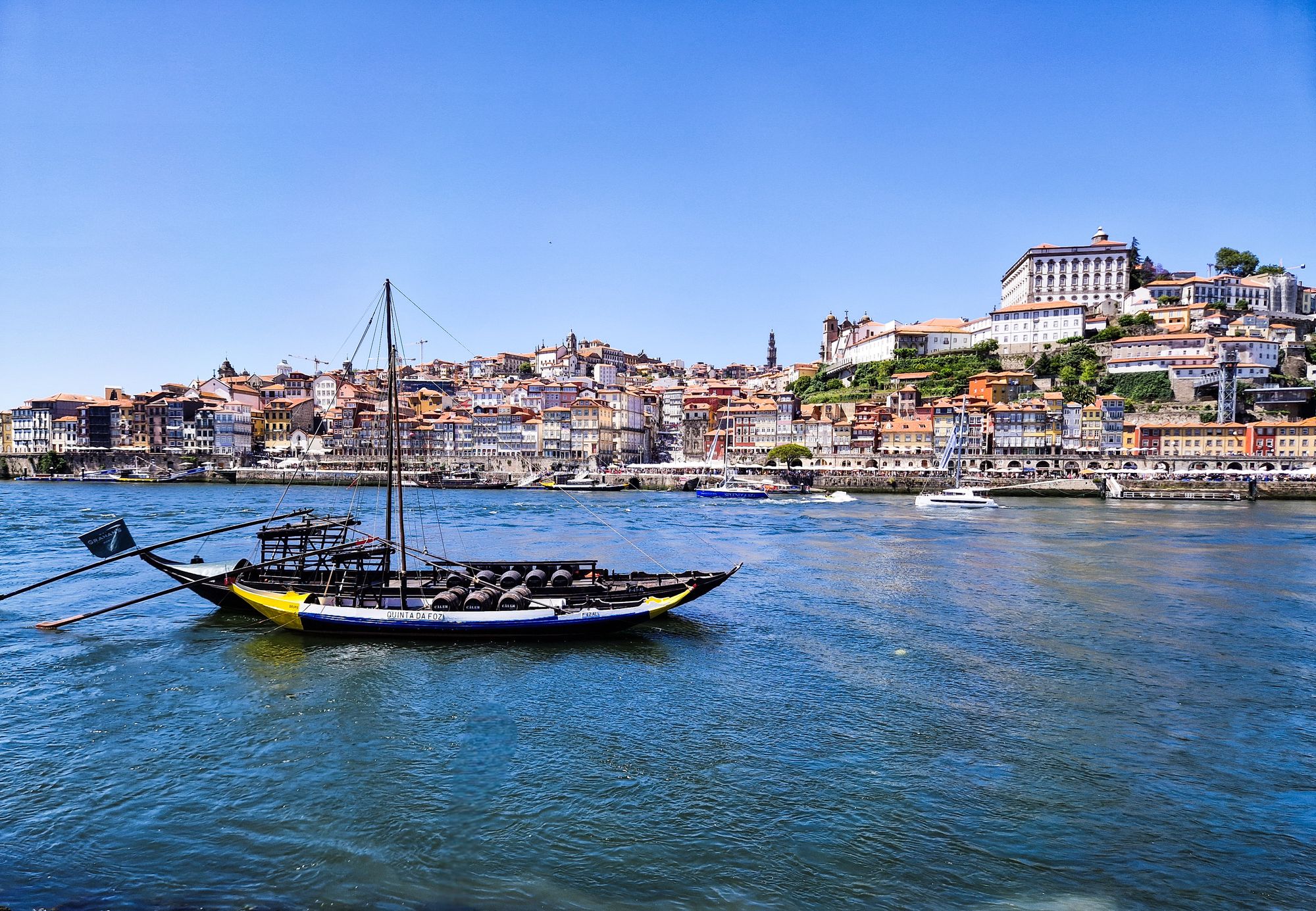
Best time for a walking tour
A tour on your first morning creates context for the rest of the trip and helps you identify places worth returning to. In summer, earlier or later starts avoid the strongest sun.
Rain does not automatically cancel a tour, but it changes the comfort and safety of stone streets. Read the weather and cancellation policy and carry a compact waterproof layer.
Porto food walking tours
Food tours can introduce markets, cafés, petiscos, pastries and local drinks. Check the number of tastings, dietary options and whether the quantity replaces a meal.
A useful food tour explains everyday eating habits rather than treating every stop as a famous dish checklist. Smaller groups can move through compact venues more easily.
How to compare walking tours
Compare group size, language, duration, total walking distance and inclusions. Recent reviews can reveal whether the guide provides real context and whether the pace matches the description.
For a private booking, confirm whether the itinerary is customisable. For a tip-based tour, carry or plan an appropriate gratuity rather than assuming it is literally free.
Guided or self-guided Porto walk?
A guide adds historical context and designs a sensible route through the elevation. A self-guided walk offers complete flexibility and works well after you understand the city’s geography.
A strong compromise is a guided orientation on day one, followed by independent neighbourhood walks in Cedofeita, Bonfim, Foz or Gaia.
Useful answers
FAQ - Porto walking tours
A historic-centre overview is best for a first visit; choose food, architecture or a private guide when you want a specific theme.


