If you have one free day outside Porto, this is the trip I would choose.
The Douro Valley is not simply somewhere you go to drink Port wine.
The landscape itself is the reason to visit.
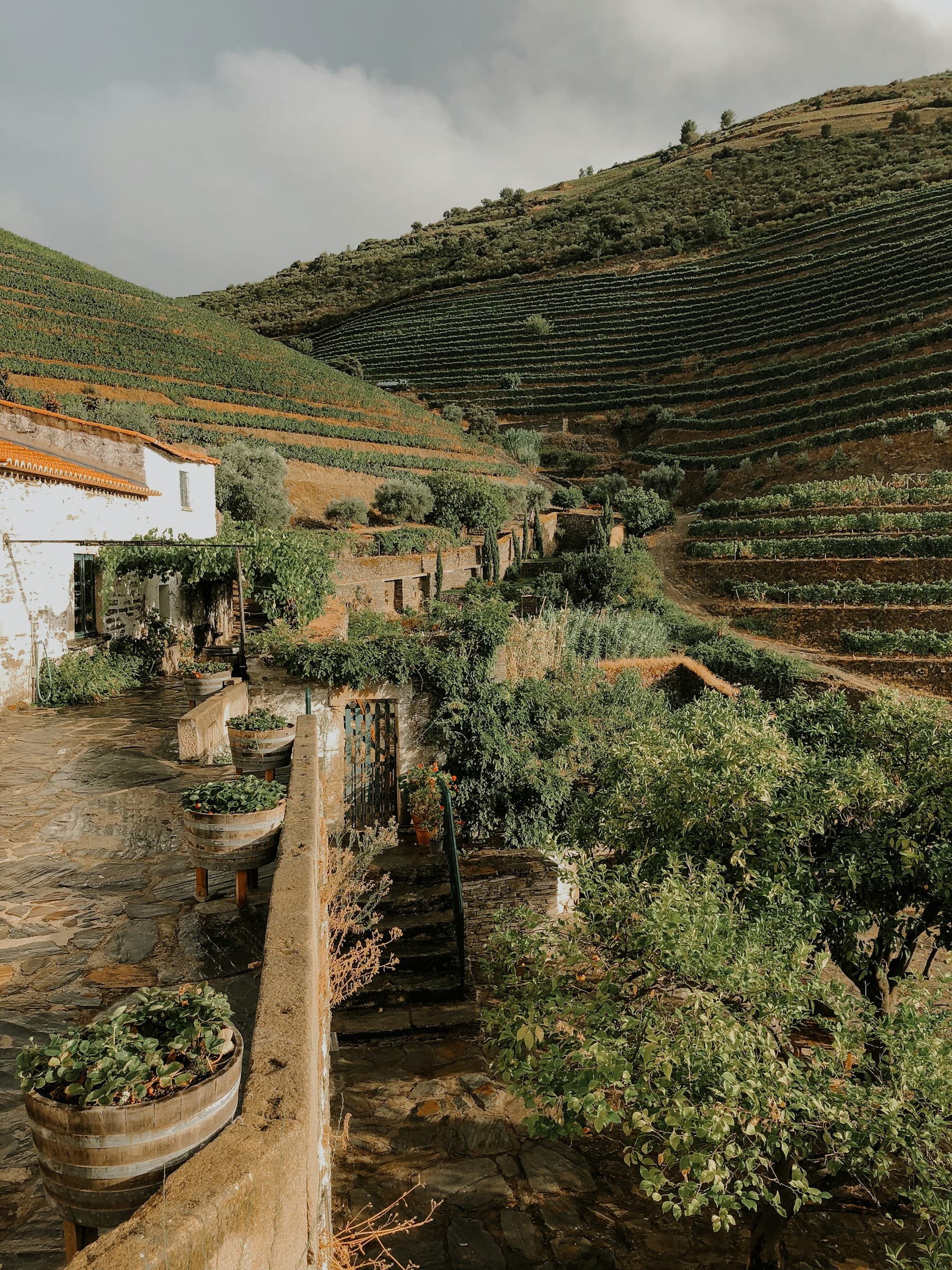
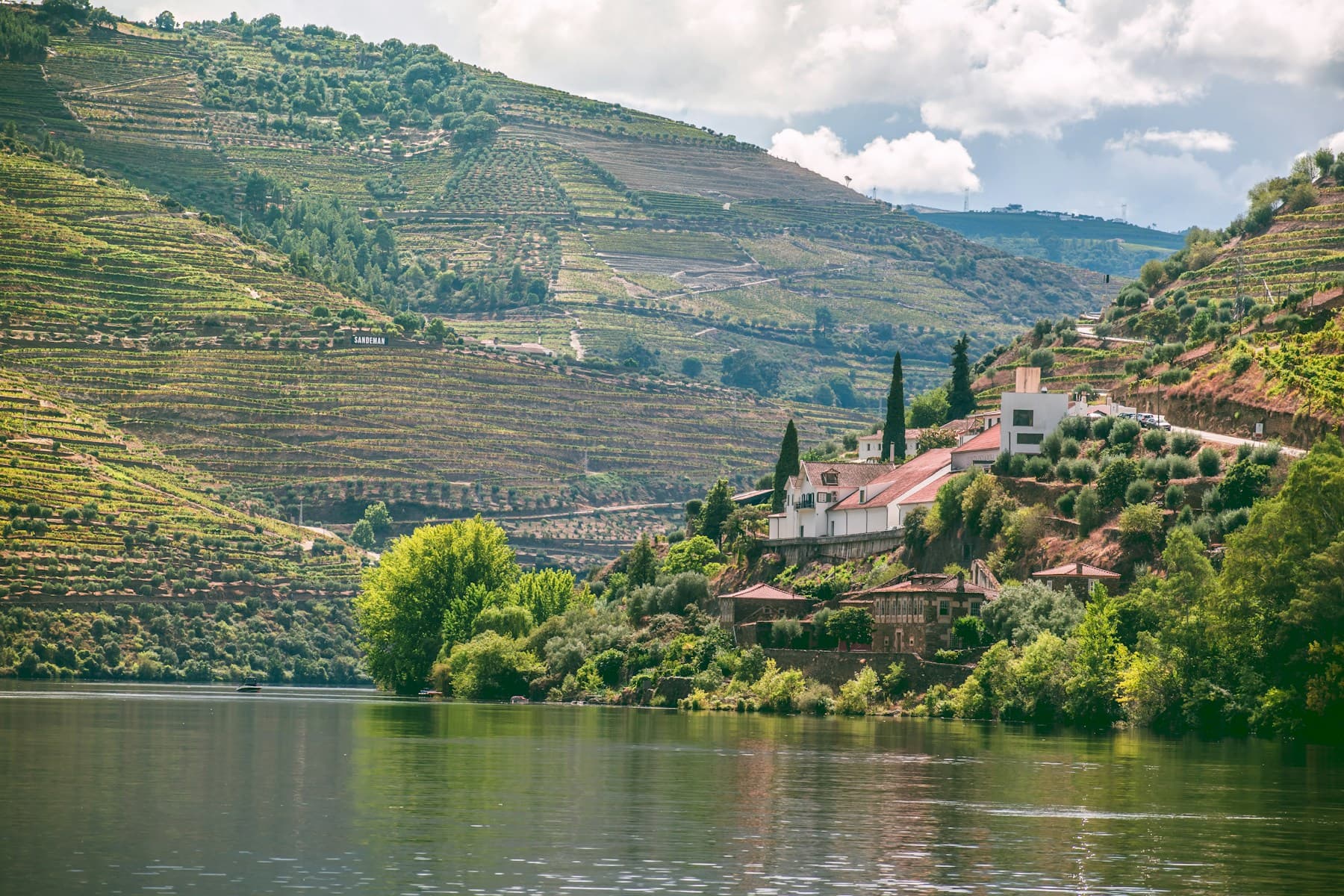
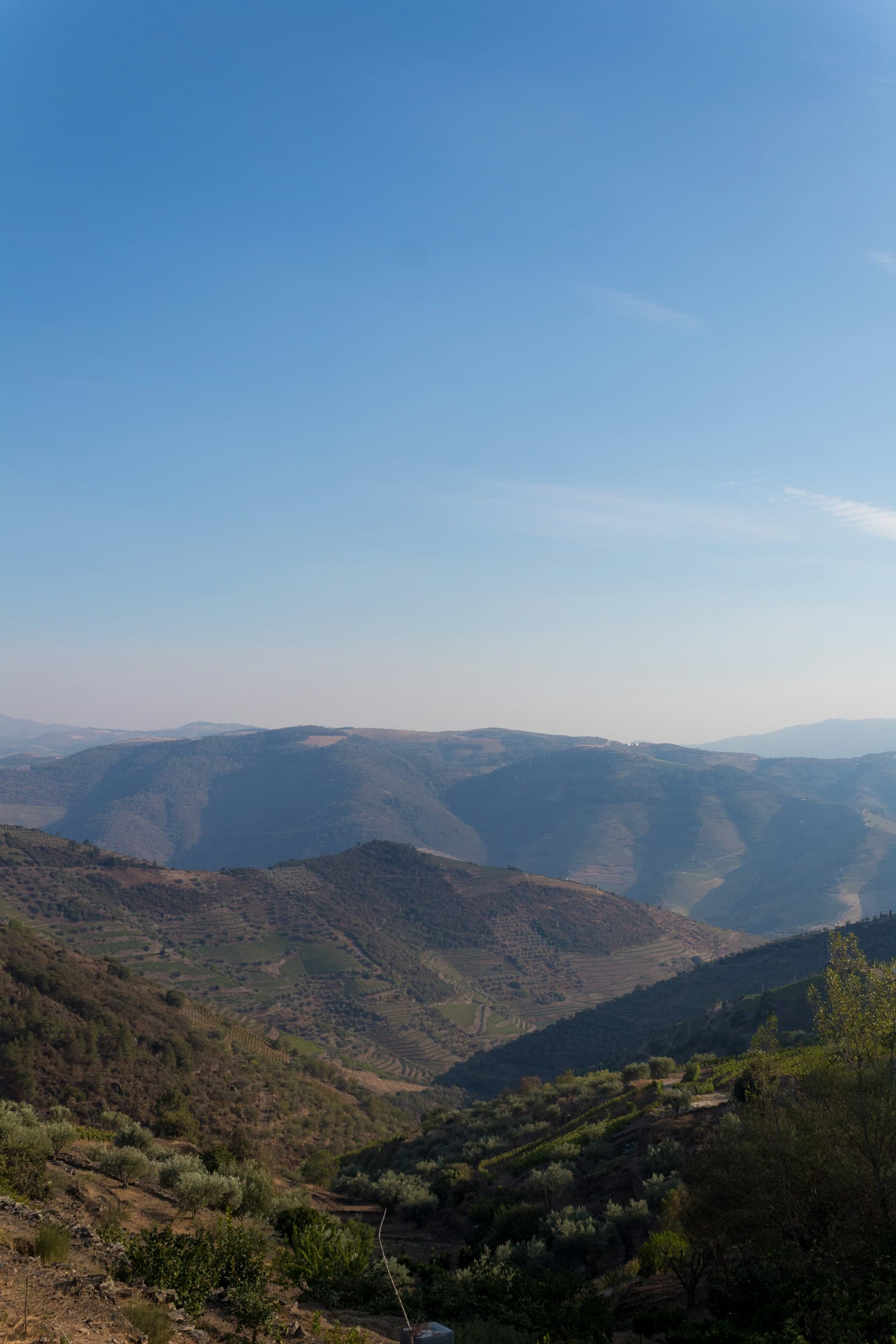
Vineyards climb steep hillsides above the river, roads twist between small villages and the railway follows the water through scenery that feels completely removed from Porto.
The Alto Douro Wine Region is UNESCO listed, and wine has shaped the landscape here for centuries. Portugal's official tourism organisation specifically recommends visiting wine estates, travelling by train and exploring the river as different ways to experience the region.
The difficult part is choosing how to do it in one day.
Option 1: Take an organised Douro tour
For a first visit, this is the easiest option.
Most full day tours leave Porto in the morning and include a winery, lunch or free time for lunch, viewpoints and often a short cruise from Pinhão.
You do not need to think about rural transport or decide who is driving after the wine tasting.
That final advantage deserves more appreciation.
Visit Porto currently lists several full day Douro experiences, including itineraries with winery visits and river cruises.
Look carefully at what is actually included.
Two tours with similar prices can differ significantly in winery quality, group size, lunch and boat time.
I would prioritise one proper winery visit over several very short tastings.
Option 2: Porto to Pinhão by train
This is my favourite independent option.
The Douro railway line follows the river inland, particularly once you move beyond Régua.
Portugal's official tourism site specifically recommends travelling the Douro Line by regular train and highlights Pinhão station as one of the most attractive along the route.
Sit on the river side when possible.
Once the train begins following the Douro, the journey becomes part of the day rather than simply transport.
Pinhão is small enough to explore on foot when you arrive.
You can have lunch, walk around the riverside and take a short boat trip.
Can you visit a winery without a car?
Yes, but plan it before leaving Porto.
Some wine estates sit close enough to Pinhão for a taxi transfer.
Others are much farther into the hills.
Do not arrive in Pinhão at noon and assume wineries form a convenient ring around the railway station.
They do not.
Vineyards have shown very little concern for public transport planning over the centuries.
Book your visit first and ask the quinta how they recommend reaching them from town.
Option 3: Drive through the Douro
A car gives you the most freedom.
You can stop at viewpoints, visit smaller villages and travel along scenic roads such as the N222.
The official tourism board notes that driving is one of the best ways to see the valley but also warns about narrow, winding roads and constant climbs and descents.
This is not difficult driving if you are confident.
It is also not the place to spend the afternoon tasting six Ports and then casually volunteer to drive back to Porto.
Choose your priorities.
Régua or Pinhão?
For a one day leisure trip, I prefer Pinhão.
Régua is larger and home to the Douro Museum.
Pinhão puts you closer to the vineyard scenery most visitors imagine when they think of the Douro.
The railway station itself is worth seeing for its tiled panels, and several river cruises leave from the waterfront.
If you are travelling by train, Pinhão gives the day a clearer focus.
Should you take a boat trip?
Yes, if time allows.
A one hour cruise around Pinhão gives you a completely different angle on the terraced slopes.
You do not need a full cruise from Porto to understand the river.
In fact, for a one day trip I prefer travelling into the valley first and taking a shorter boat ride there.
More vineyard scenery, less time sitting on a boat before reaching it.
When is the best time to visit?
Spring is green and mild.
Summer gives you long days but can be very hot.
September is harvest season and one of the most interesting periods in the wine calendar.
Autumn brings changing vineyard colours.
Visit Porto specifically highlights September as harvest month, when the region becomes particularly active.
There is no single bad season, although winter gives you shorter days and more variable weather.
Is one day enough?
Enough for a first taste.
Not enough to properly explore the Douro.
With one day, choose a small area around Régua and Pinhão rather than trying to drive halfway to Spain.
If you enjoy wine and slower travel, spending one or two nights in the valley is even better.
The sunsets improve considerably when you are not thinking about the last train back to Porto.
Useful answers
Porto FAQ
Yes. Full day tours, trains and rental cars all make a one day trip realistic.