Port wine is one of those things most visitors know is connected with Porto without necessarily knowing what it actually is.
First useful fact.
The wine is not made in the city of Porto.
Port is a fortified wine produced in the Douro Demarcated Region, east of Porto, under the rules of the protected Porto denomination.
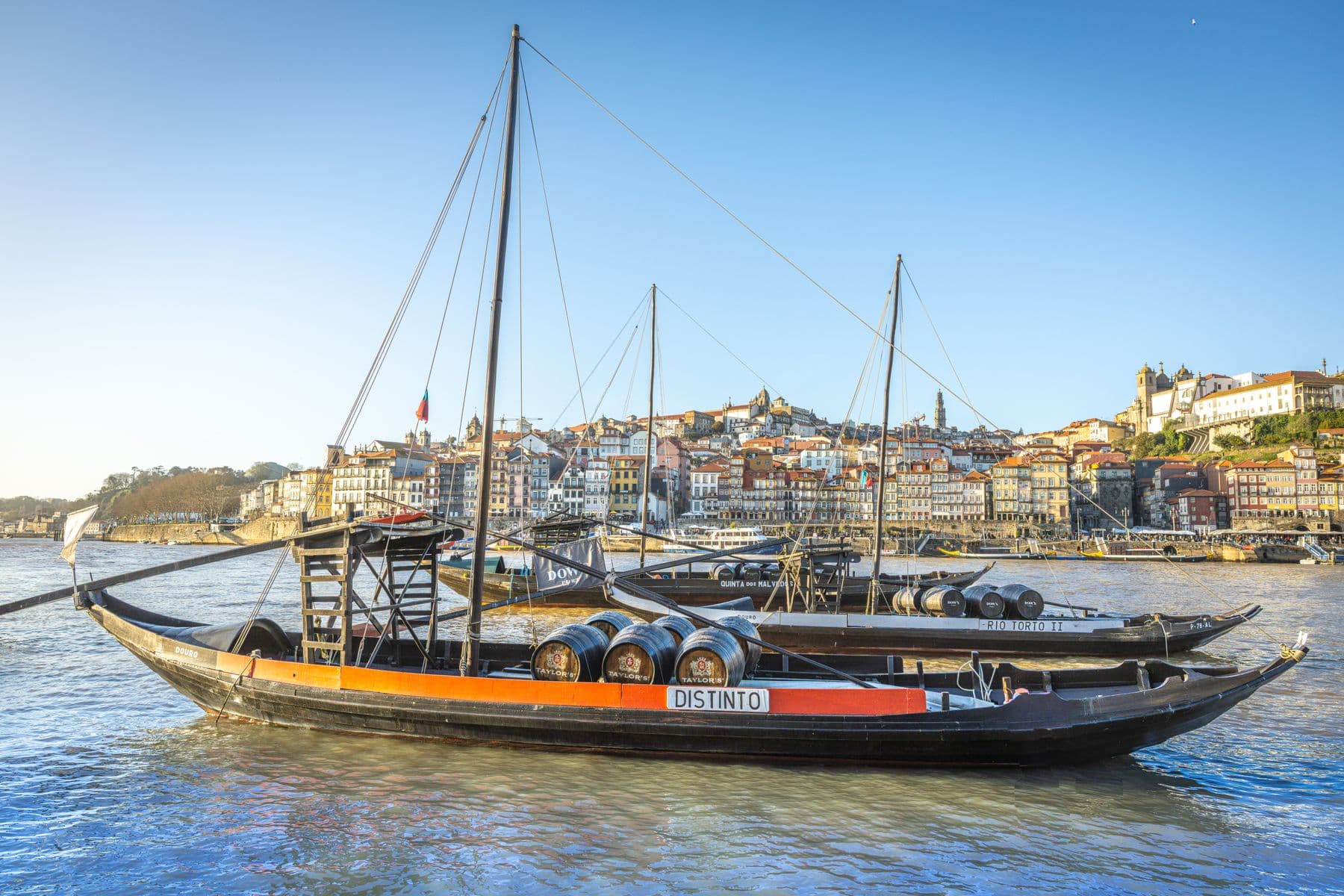
Historically, much of it travelled down the Douro and was aged in Vila Nova de Gaia.
Which explains why you cross the river from Porto and suddenly find yourself surrounded by enormous buildings containing barrels.
The geography becomes much less confusing after your first glass.
So what exactly is Port wine?
Port is a fortified wine.
During fermentation, grape spirit is added to the wine.
This stops fermentation before all of the grape sugar has been converted into alcohol.
The result is usually sweeter and stronger than normal table wine.
According to the IVDP, Port normally has an alcohol content between 19% and 22%, although certain categories can be lower.
That also explains why Port is served in smaller glasses.
Treating it like a normal glass of wine can turn a calm cellar tasting into a surprisingly ambitious afternoon.
Where does Port come from?
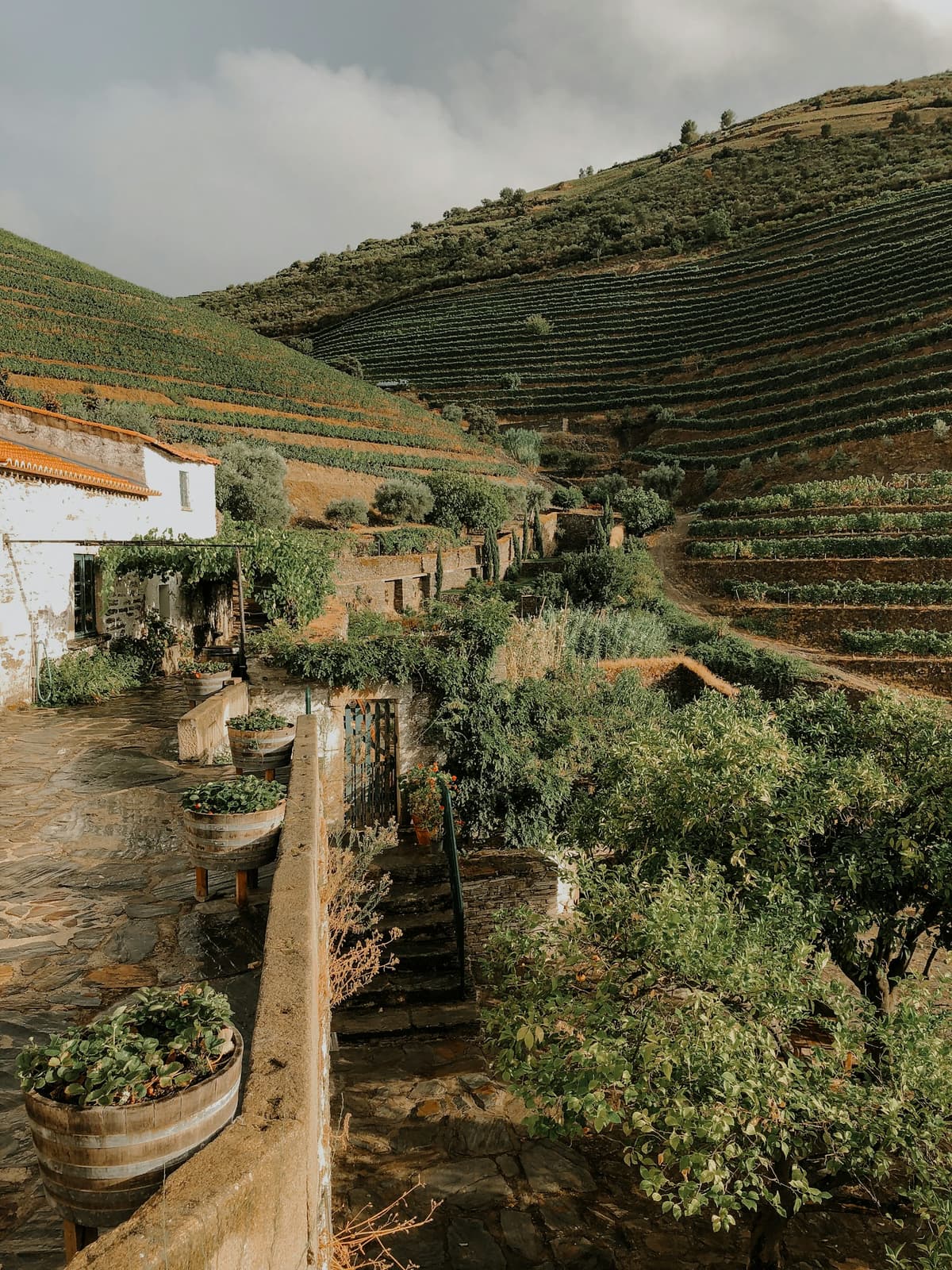
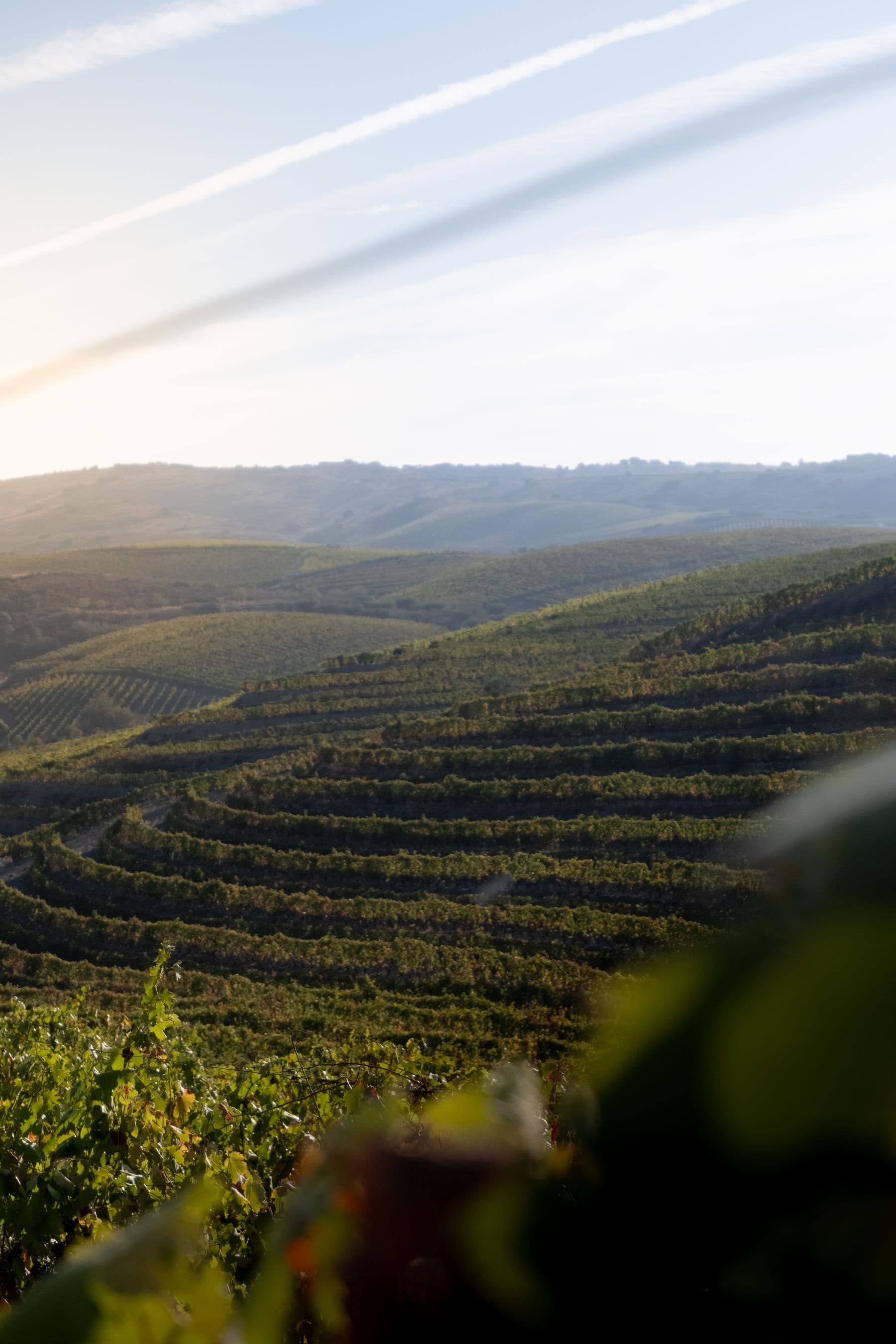
The grapes come from the Douro Demarcated Region.
This is the spectacular vineyard landscape you see east of Porto around places such as Peso da Régua and Pinhão.
Only authorised vineyards within the region can produce grapes for Port.
The wine can then be aged either in the Douro or in Vila Nova de Gaia, depending on the producer and style.
So the basic geography is simple.
- ✓ Douro Valley: where the grapes grow and the wine is made.
- ✓ Gaia: historically important for ageing, storage and Port wine houses.
- ✓ Porto: the city whose name became internationally attached to the wine.
Ruby Port
Ruby is the style most focused on preserving fresh fruit and deep colour.
The IVDP describes Ruby style wines as wines where ageing is managed to maintain the character, fruit and strength of younger wine.
Expect flavours around dark and red fruit.
The category includes standard Ruby, Reserve Ruby, Late Bottled Vintage and Vintage.
That last part matters.
Vintage Port belongs broadly to the Ruby family but is a much more serious wine than an inexpensive basic Ruby.
It can age for decades in bottle.
Tawny Port
Tawny follows a different ageing path.
More contact with oxygen during ageing in wood gradually changes the colour and flavour.
Fruit moves towards nuts, caramel, dried fruit and spice.
The IVDP notes that Tawny style Ports develop their characteristic amber tones and flavours through ageing in wooden vessels.
You will often see bottles labelled 10, 20, 30 or 40 years.
These age indications describe the style and characteristics of the blend rather than telling you that every drop in the bottle has spent exactly that number of years waiting patiently for you.
White Port
White Port is made from white grape varieties.
It ranges from sweet to extra dry, with styles ranging from young and fruity to more complex wines aged in wood.
If you are visiting Porto in summer, you will probably come across Porto Tónico, made with White Port and tonic water.
It is much fresher than the dark dessert wine many people imagine when they hear the word Port.
I would definitely try one.
Purely educational purposes, obviously.
Rosé Port
Yes, Rosé Port exists too.
It is a younger style made with limited skin contact and is generally served chilled.
The IVDP describes it as fresh and fruit driven, often with cherry, raspberry and strawberry notes.
It is also commonly used in cocktails.
Traditionalists may now be looking disappointed.
They will survive.
What is Vintage Port?
Vintage is one of the most prestigious categories of Port.
It comes from a single declared vintage and spends relatively little time in wood before continuing to develop in bottle.
A good Vintage Port can age for many years.
This is different from Tawny Port, where much of the character develops through longer oxidative ageing in wooden barrels.
If you visit a cellar and taste both styles side by side, the difference becomes much easier to understand than reading three paragraphs about controlled oxidation.
Wine has the convenient property of being research you can drink.
Is Port always sweet?
No.
Port can range through several sweetness levels, and White Port in particular includes dry and extra dry styles.
The IVDP officially recognises Port from extra dry through to very sweet categories.
That said, most Port styles taste noticeably sweeter than normal dry table wine because fermentation is stopped while residual grape sugar remains.
How should you drink Port?
Not necessarily at room temperature.
The IVDP recommends different serving temperatures by style, including cooler temperatures for White and Rosé Port and slightly warmer temperatures for Ruby and Tawny.
You also do not need to wait until dessert.
Dry White Port works as an aperitif.
Tawny can work with cheese and desserts.
Vintage is often enjoyed after a meal.
The idea that Port belongs exclusively beside a fireplace after Christmas lunch is unnecessarily restrictive.
What should you taste in Porto?
If this is your first tasting, I would try at least three styles:
Ruby, Tawny and White.
That immediately shows how broad the category is.
If the tasting also includes an LBV, aged Tawny or Vintage, even better.
You do not need twelve glasses to understand Port.
By glass twelve you may understand considerably less than you did at glass three.
Useful answers
Porto FAQ
Port wine is produced from grapes grown in the Douro Demarcated Region rather than inside Porto itself. Vila Nova de Gaia has historically been an important centre for its ageing and storage.