Walk into a Port wine cellar for the first time and the number of different bottles can be slightly confusing.
Ruby, Tawny, LBV, Vintage, Colheita, White, Rosé.
They are all Port, but they can taste remarkably different.
The easiest way to understand them is to start with the two main families, Ruby and Tawny, and work outwards from there.
The difference is largely about how the wine ages and how much contact it has with oxygen. The IVDP, the official body responsible for Port and Douro wines, separates Port into these major ageing styles.
Ruby Port
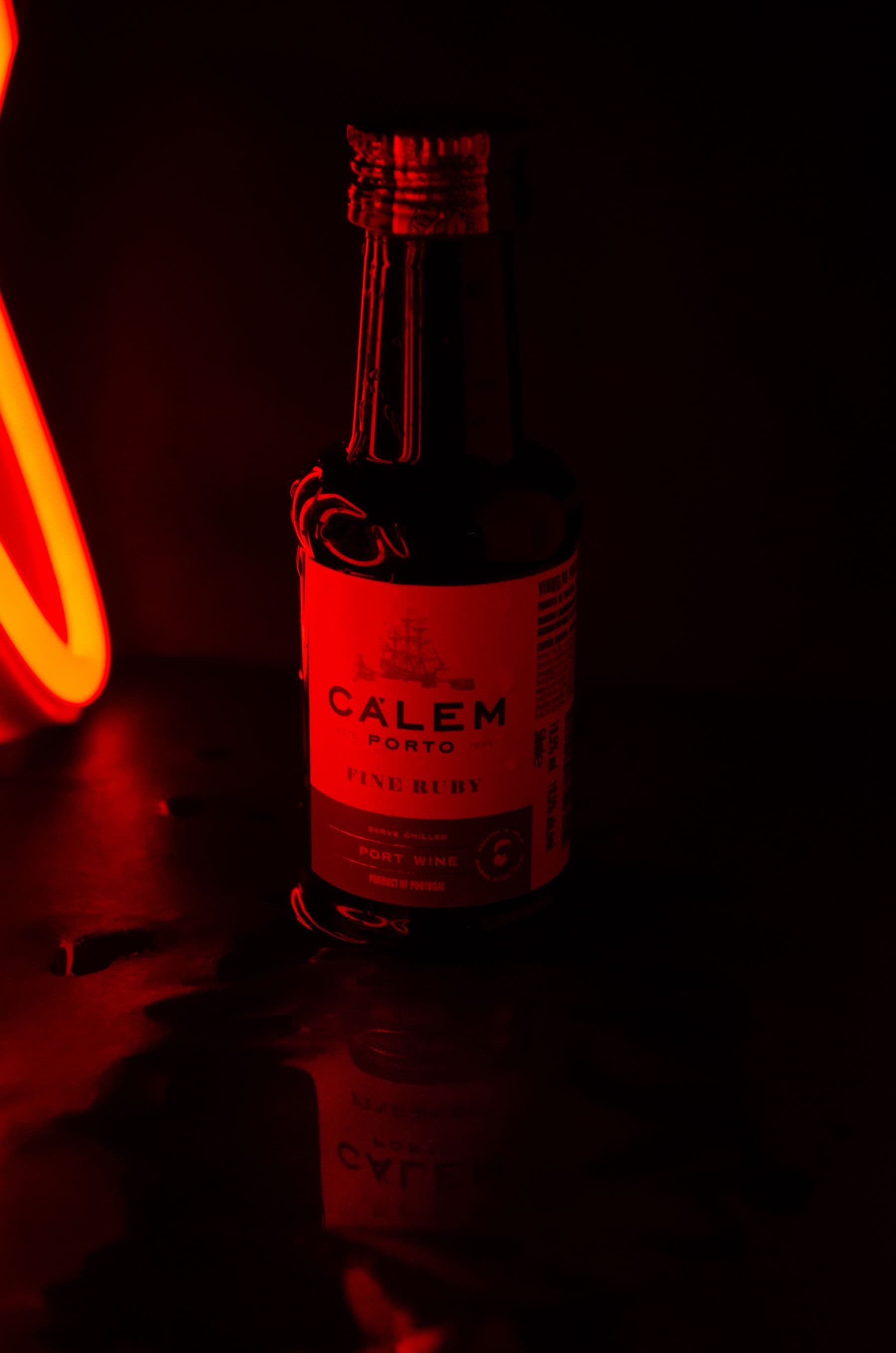
Ruby is the young, fruit focused side of Port.
The winemaking process tries to preserve the deep red colour and fresh fruit character of the wine.
Expect flavours such as blackberry, cherry and other dark fruit.
Basic Ruby Port is generally one of the most affordable styles and a very easy place to start.
Do not confuse that with saying all Ruby style wines are simple.
Some of the most prestigious Port wines in the world belong to the same family.
Reserve Ruby
Reserve Ruby is essentially a step up from standard Ruby.
It is usually fuller, richer and made from a selection of higher quality wines.
The IVDP describes Reserve Ruby as a full bodied wine with dark ruby tones and a strong fruity character.
If you like Ruby but want something with a little more depth without spending Vintage Port money, this is worth trying.
Late Bottled Vintage
Late Bottled Vintage, almost universally shortened to LBV, comes from a single vintage.
It spends longer ageing before bottling than Vintage Port, which means it is generally much easier to drink when you buy it.
You still get the dark fruit and structure associated with Ruby style Port, but usually with more complexity.
For me, LBV is one of the easiest Port categories to recommend.
You get plenty of character without needing to own a cellar, study cork technology or wait twenty years.
Vintage Port
Vintage sits near the top of the Port hierarchy.
It comes from an exceptional single vintage and continues developing for many years in the bottle.
Young Vintage can be powerful, fruity and structured.
Older bottles can become much more complex.
Unlike Tawny Port, much of the long ageing happens in the bottle rather than in wood.
This is also why older Vintage bottles may need decanting.
Vintage is not what I would choose for someone's very first glass of Port.
Start simpler.
Nobody learns coffee by beginning with a lecture on rare Ethiopian processing methods either.
Tawny Port
Tawny moves in a different direction.
Longer ageing in wooden vessels exposes the wine gradually to oxygen.
The colour moves from red towards amber, while flavours develop around nuts, dried fruit, spice and caramel.
The IVDP explains that these oxidative ageing conditions are what create the classic Tawny profile.
Tawny is often the style that surprises people who believe Port is simply a sweet, dark red wine.
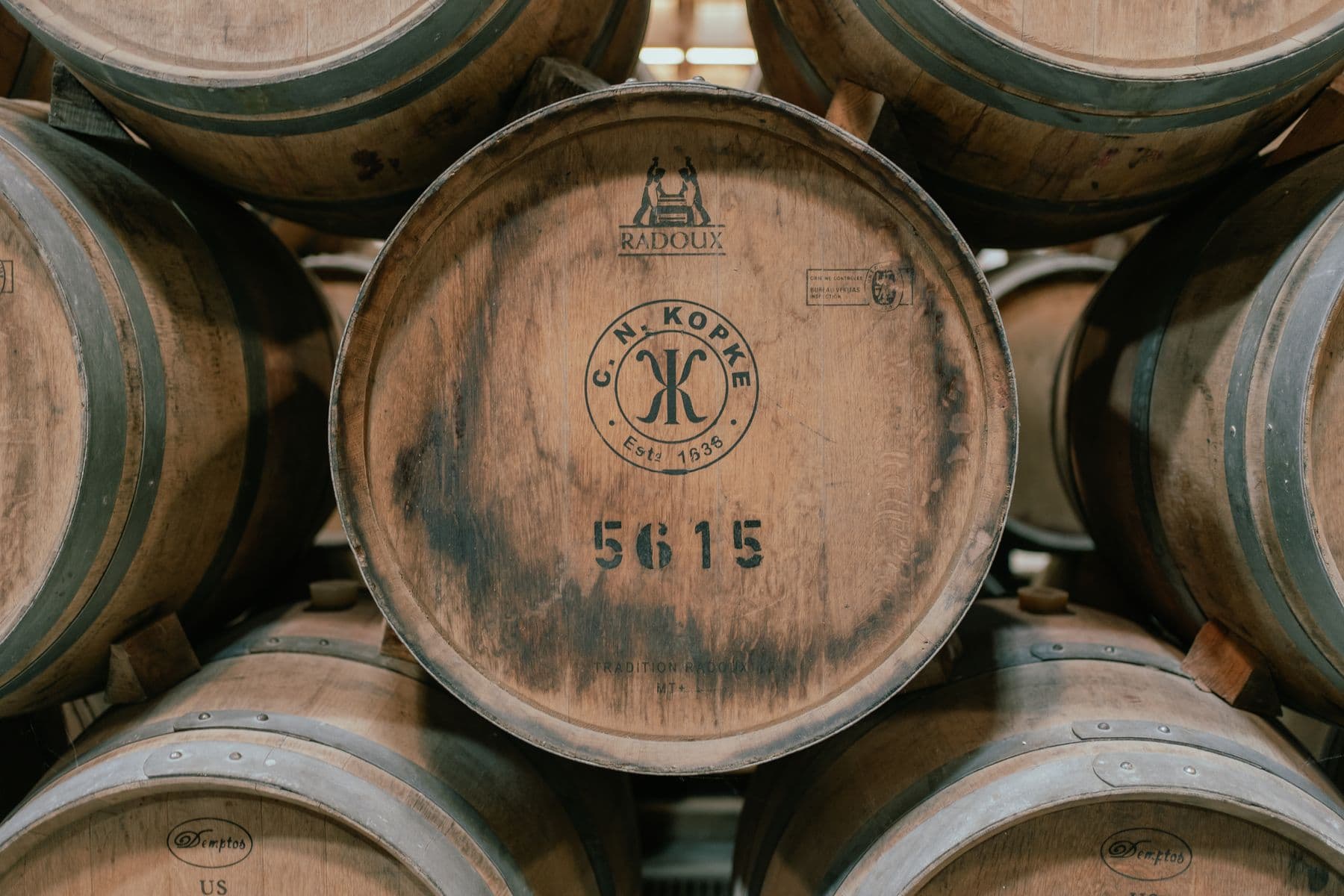
Tawny with an age indication
You will commonly see 10, 20, 30 and 40 year old Tawny.
These are blends created to show the characteristics associated with that age.
A 20 year Tawny is therefore not simply one wine that has spent exactly twenty years sitting inside one barrel.
Think of the number as the average style and maturity the producer is aiming to express.
As the age increases, expect more dried fruit, nuts, spice and oxidative complexity.
Colheita Port
Colheita is one of my favourite categories to explain because it sounds complicated and is actually quite simple.
It is a Tawny style Port from one single harvest year.
Instead of blending multiple vintages to create an age profile, the year appears directly on the bottle.
The wine then spends an extended period ageing in wood.
It gives you the oxidative character of Tawny with the identity of a particular vintage.
White Port
White Port is made from white grapes and ranges from extra dry to very sweet.
Some versions are fresh and fruity.
Others spend much longer ageing and develop honey, dried fruit and nutty flavours.
Young dry White Port is also the classic base for Porto Tónico, mixed with tonic water and usually served with ice.
I would try one in Porto even if you normally associate Port with dessert.
It may completely change your idea of the drink.
Rosé Port
Rosé is the youngest member of the family.
It is made from red grapes with limited skin contact and is intended to remain fresh and fruity.
Expect strawberry, raspberry and cherry notes.
The IVDP recommends drinking it young and chilled, and it is often used in cocktails.
Some traditionalists are probably frowning at this paragraph.
The wine appears unaffected.
Which Port should you try first?
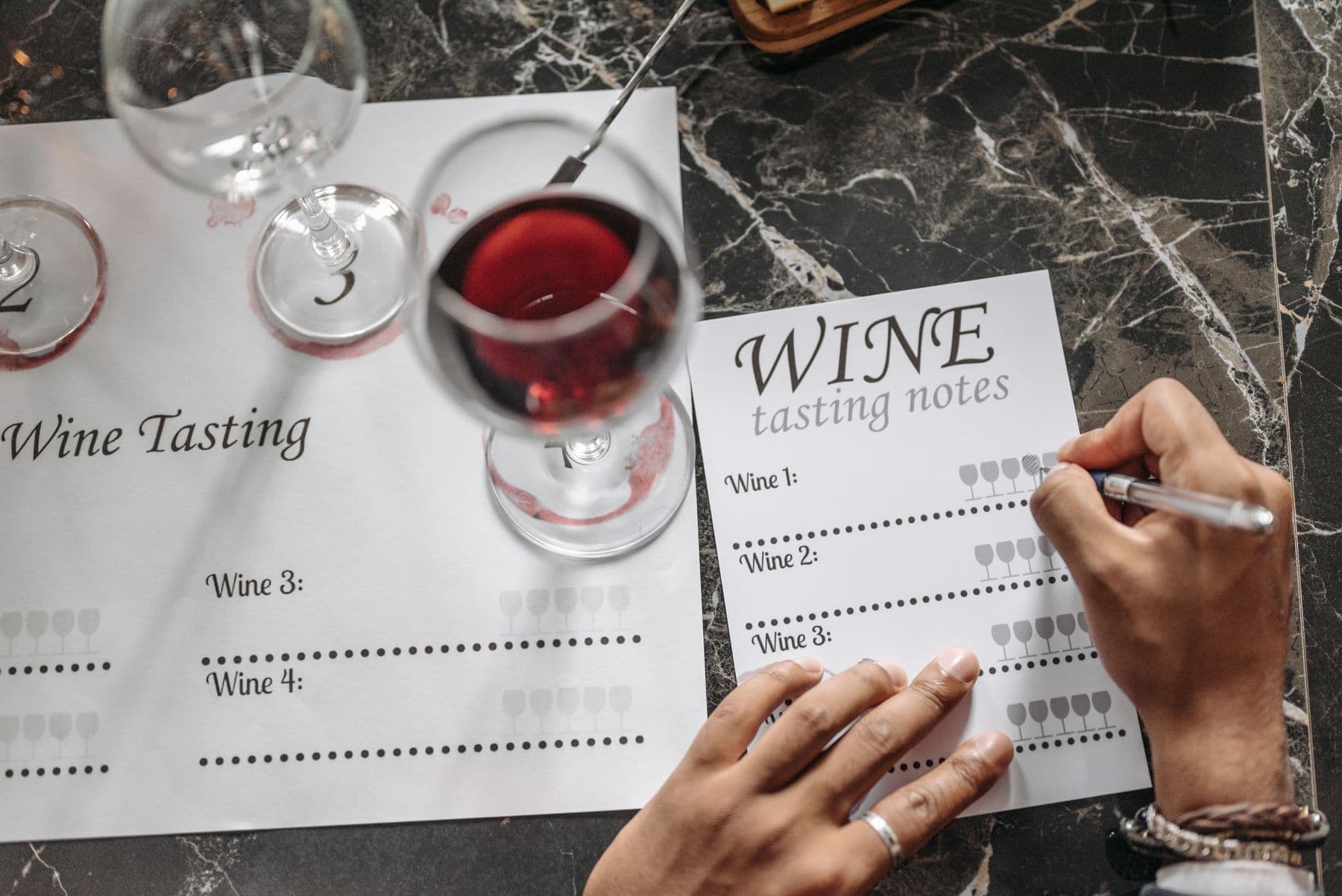
If you are doing your first tasting, I would choose:
White Port, to see the fresh side.
Ruby or LBV, for fruit.
10 or 20 year Tawny, for wood aged character.
Three glasses will teach you far more than drinking three similar Tawnies in a row.
Once you know which family you prefer, start exploring the more specific categories.
Useful answers
Porto FAQ
The broad styles are Ruby, Tawny, White and Rosé. Within them you will find categories such as Reserve, LBV, Vintage, aged Tawny and Colheita.