Bonfim is close enough to central Porto that you can walk there from Baixa, yet far enough away that many first-time visitors barely see it.
That is precisely why I would go.
There is no Dom Luís I Bridge or Livraria Lello pulling tour groups from one landmark to the next.
Instead, Bonfim is a mix of residential streets, old shops, students from the nearby Fine Arts Faculty, cafés and cultural spaces.
Porto's official tourism board describes the district around Bonfim as one of the city's creative areas and highlights its artistic character.
Where is Bonfim?
Bonfim sits immediately east of central Porto.
Depending on where you draw the neighbourhood boundaries, the most useful reference points are Campo 24 de Agosto, Rua do Bonfim, Heroísmo and the streets around the Faculty of Fine Arts.
From Bolhão, you can walk into Bonfim in roughly 10–15 minutes.
Metro stations at Campo 24 de Agosto and Heroísmo also make it easy to reach.
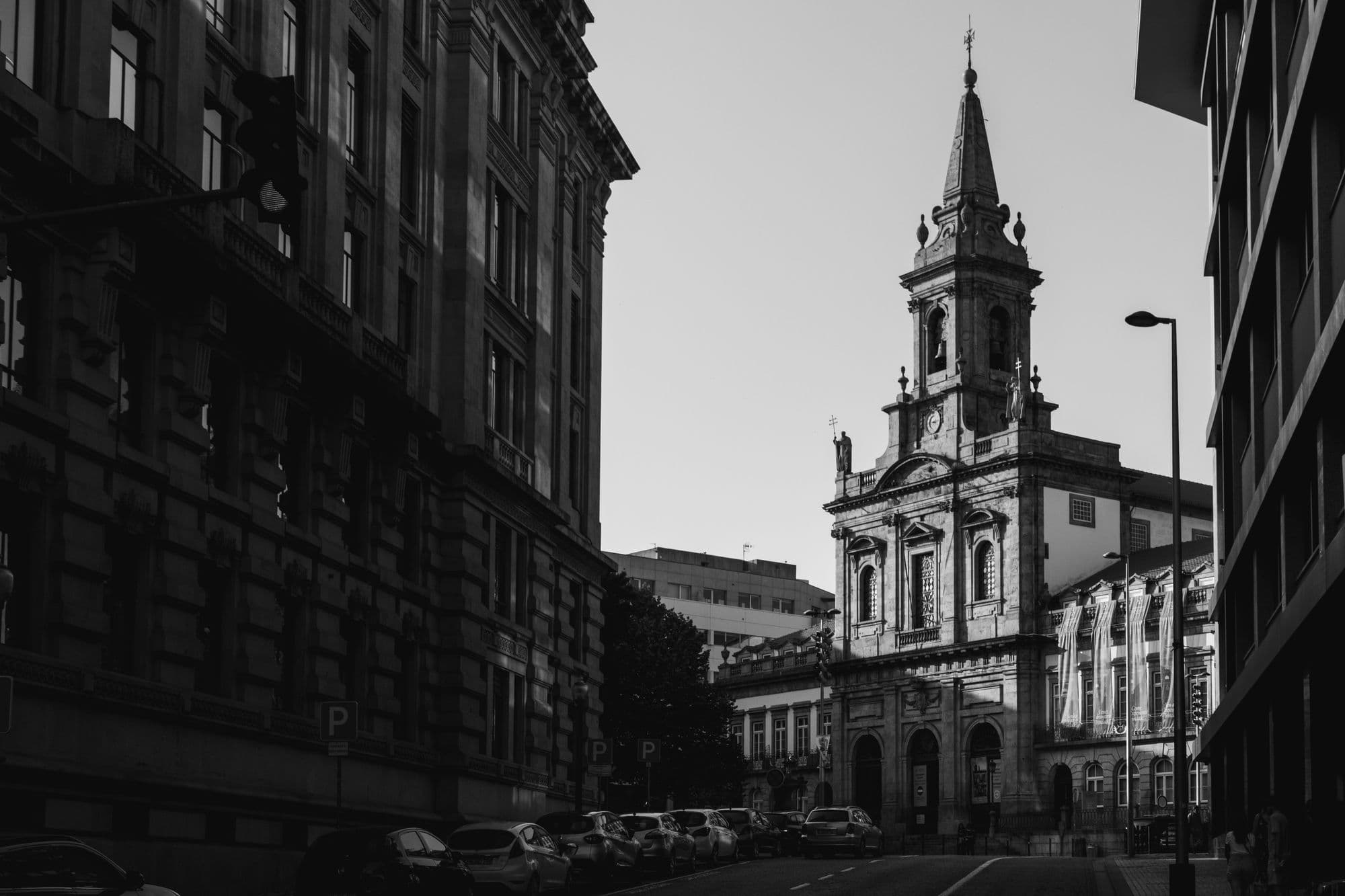
Start at Jardim de São Lázaro
Begin on the western side of the neighbourhood at Jardim de São Lázaro.
Opened in 1834, it was Porto's first public garden.
It is small rather than spectacular, which suits Bonfim.
Sit for a few minutes, look at the old façades around the square and then continue towards the Fine Arts area.
The Biblioteca Pública Municipal do Porto is nearby, as is the Faculty of Fine Arts.
Walk Rua do Bonfim
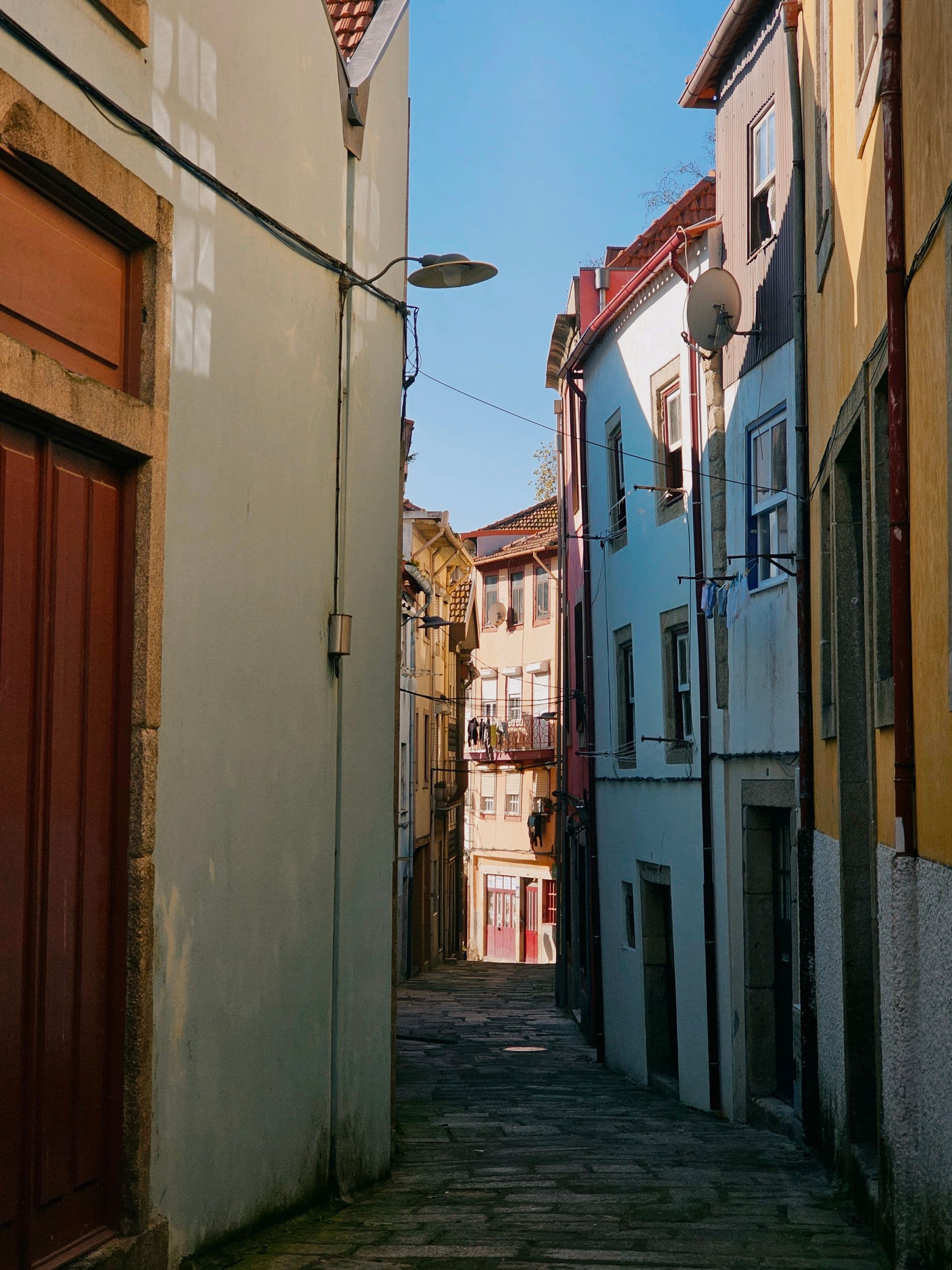
Rua do Bonfim is the neighbourhood's main spine.
Do not expect a street designed for sightseeing.
You will find bakeries, cafés, small shops, pharmacies, restaurants and businesses people living here actually use.
That mix is what makes the area worth walking.
Instead of identifying five specific shops to tick off, I would walk slowly and stop somewhere that looks busy with local customers.
Igreja do Bonfim and Prado do Repouso
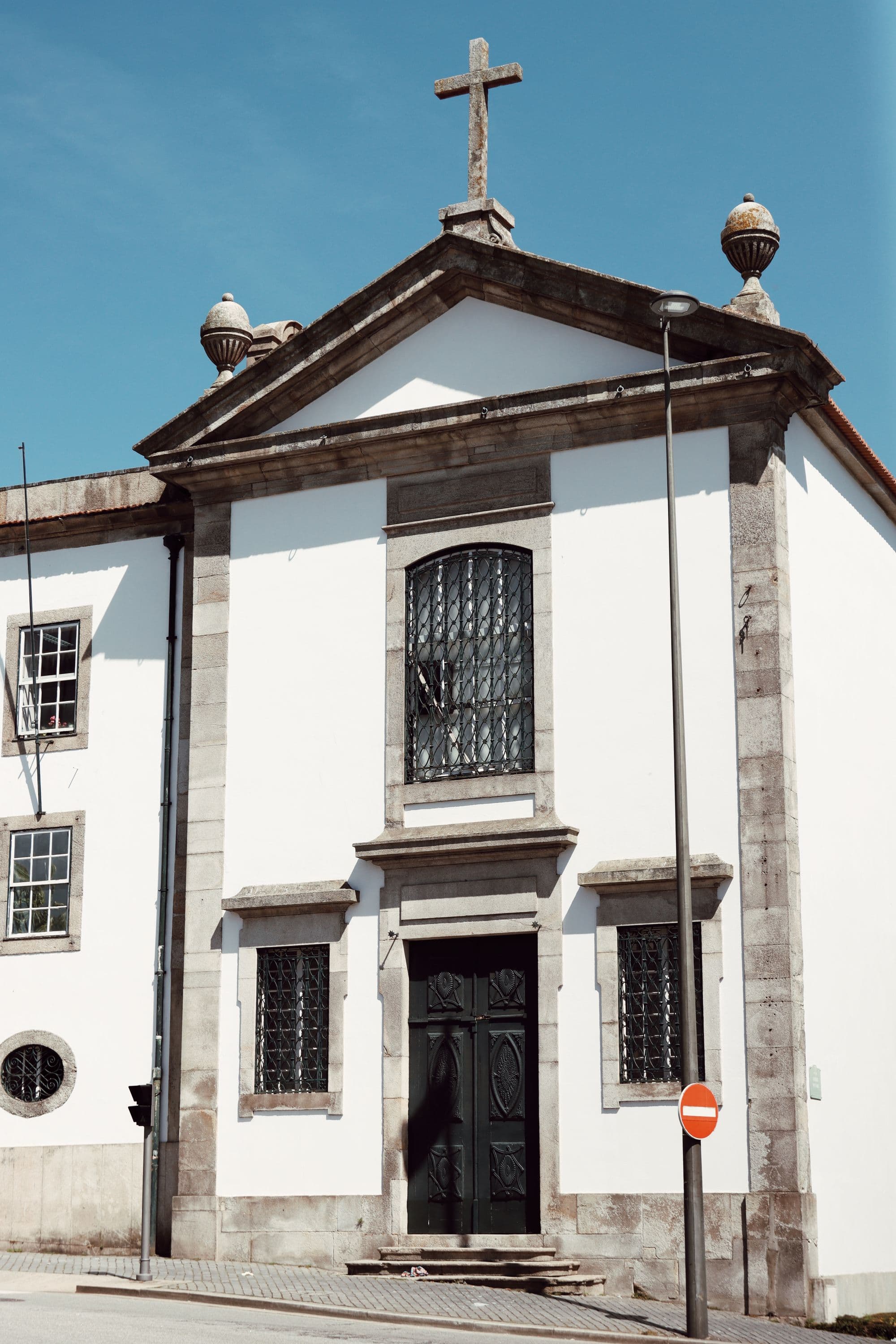
Visit Igreja do Bonfim
Continue towards Igreja do Bonfim, which sits above the eastern section of the neighbourhood.
The church is far less visited than the tiled churches around Baixa.
That does not make it architecturally more important, but it does make the experience quieter.
The streets around here also show a much more residential Porto than the centre.
Prado do Repouso Cemetery
A cemetery may not be the first thing on your Porto itinerary, but Cemitério do Prado do Repouso is one of Bonfim's most interesting places.
It became Porto's first public cemetery in the 19th century and contains elaborate family tombs, sculpture and tree-lined paths.
It is included among the main Bonfim points of interest by the city's tourism board.
Go because you are interested in history and architecture, not because you need another attraction to fill the afternoon.
Continue towards Fontainhas
From the southern edge of Bonfim, make your way towards Fontainhas.
The viewpoint looks across the Douro towards Gaia and towards the railway bridges east of the centre.
It is a completely different view from Jardim do Morro.
This is also one of the city's traditional places to watch the São João fireworks.
Staying in Bonfim
Is Bonfim a good place to stay?
Yes, particularly if you have visited Porto before or prefer residential neighbourhoods to tourist centres.
You remain close enough to walk towards Bolhão and Baixa, while metro connections make longer journeys easy.
The trade-off is that you are not stepping directly out of your hotel into Ribeira or Clérigos.
For me, that can be an advantage.
Bonfim or Cedofeita?
They are two of the best alternatives to staying directly in Baixa.
Cedofeita is more central, polished and closely connected to galleries, shopping and nightlife.
Bonfim feels more residential and spreads further east.
For a first trip, I would lean towards Cedofeita.
For a longer stay, Bonfim is very appealing.
How long do you need in Bonfim?
Allow half a day.
Start at São Lázaro, walk through the neighbourhood, have lunch or coffee and finish towards Fontainhas.
You can easily return to Baixa on foot afterwards.
Useful answers
Porto FAQ
Yes, particularly if you want to see a more residential side of Porto after visiting the historic centre.